China travel inspiration
National Museum of China: A First Visit Without Museum Fatigue
National Museum of China · China travel guide
For a first National Museum of China visit, start with Ancient China if you want a historical overview, then add one specialist subject only if you still feel interested. A morning or afternoon is a sensible planning allowance for that focused approach. The museum is too large to make every gallery a useful goal, especially if you are also seeing Beijing’s palaces and temples.
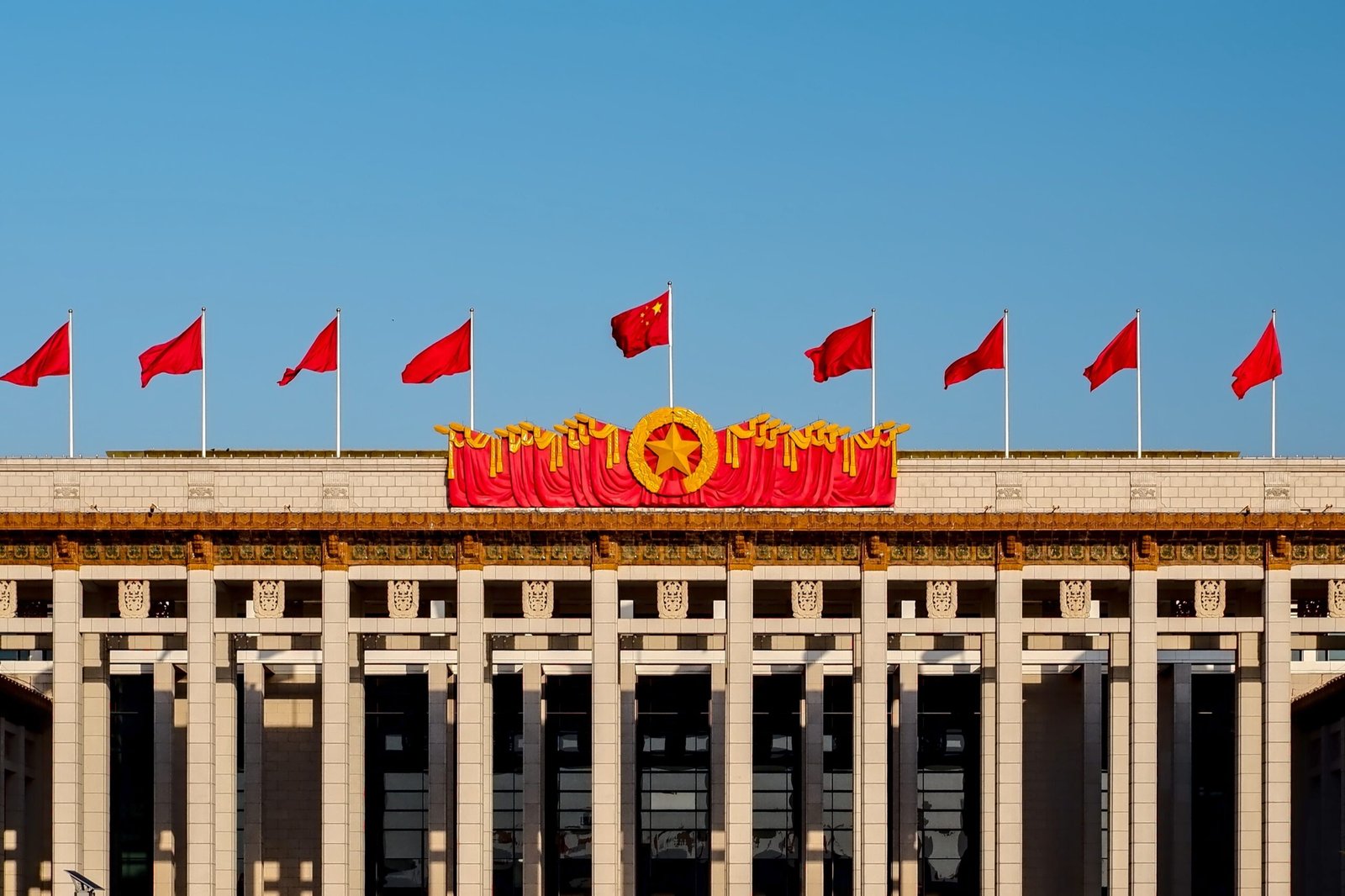
The collection becomes easier to enjoy when you have a question in mind. How did a ruler display power? What changed when people began casting bronze? Which objects belonged in everyday homes? You can follow one of these threads without knowing the names of every dynasty before you arrive.
Start with Ancient China if you need an overview
Ancient China follows a broad sequence from early societies through successive dynastic periods to the Ming and Qing. That chronological framework makes it particularly useful near the beginning of a China trip: objects and periods encountered later at temples, tombs or palaces acquire a clearer place in the story.
Pick one more exhibition that interests you
For a second subject, the museum lists themed collections such as ancient Chinese jade, porcelain, money and Buddhist sculpture. Choose something you would enjoy looking at closely. Coins can lead you toward trade and daily life; a sculpture gallery changes the pace after a chronological exhibition. Use the current programme and floor plan to find what is actually open for your date.
Temporary exhibition pages can remain online after a show closes. Choose your second exhibition from the current programme, checking its dates and gallery location. A particular object may also be unavailable for conservation or display changes; build the visit around a subject, not one unverified star item.
Take a closer look at a few objects
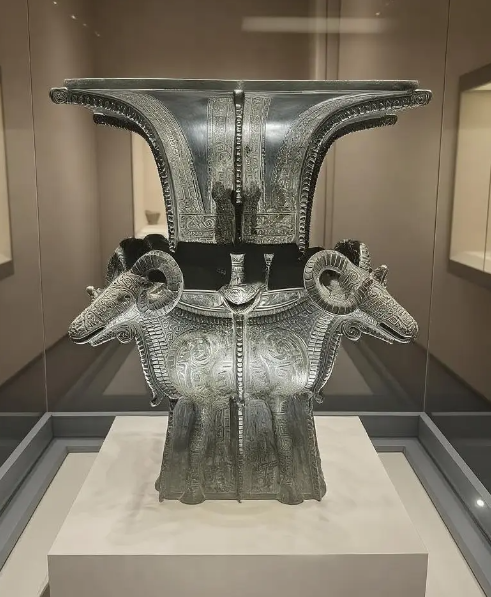
Try a simple comparison as you look: a heavy bronze ritual vessel and a small ceramic bowl were made for different settings. Look at handles, decoration and wear, then read the label to see who used the object and why. With a guide, ask for a few connected examples instead of a speech at every case. A small number of well-understood objects will stay with you longer than a complete list of rooms.
With children, use one manageable question at a time. Ask which object looks as though it was used every day and which appears to announce someone’s position. With a specialist guide, discuss the themes that interest you before arrival so the explanation does not become an uninterrupted march through dynasties.
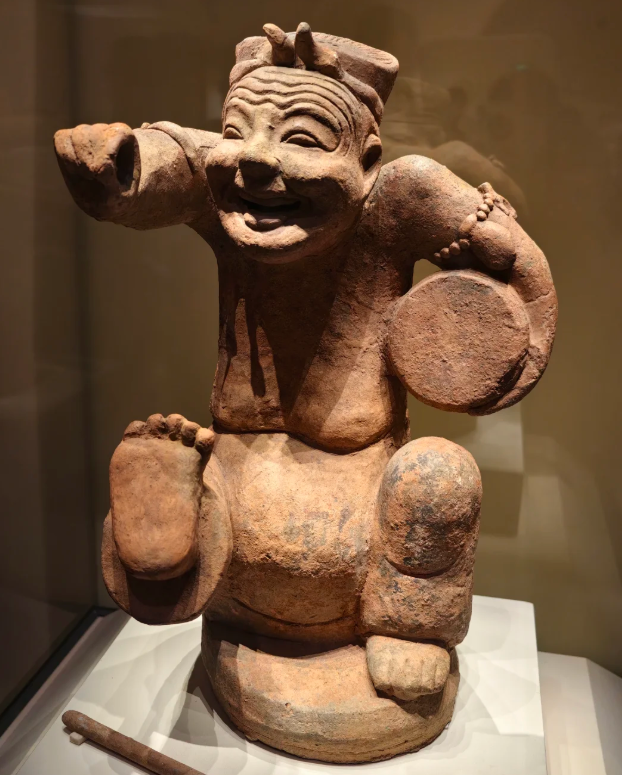
Take a break between exhibitions
The galleries involve a lot of standing and walking. After your first exhibition, take a break and decide whether you feel like seeing another.
Afterwards, a meal and a smaller-scale city experience make a pleasant change. Visiting this museum and the entire Palace Museum on the same day means spending much of the day walking through large historical collections. It can work for dedicated enthusiasts, but it is rarely the most relaxed introduction to Beijing.
Find the museum story that interests your group
Tell us whether archaeology, imperial objects, art or modern history draws you in. We can help choose a museum route and explain the separate reservations for nearby sights.
How to book and enter the National Museum
The museum requires its own real-name reservation. Its visitor guidance says to bring the original identity document used for the booking and your confirmation, and to enter at the designated North Gate for your reserved session. Foreign visitors should follow the official passport-compatible process rather than assuming a booking method intended for another document type will work.
A Tiananmen Square reservation does not grant museum entry. Conversely, official guidance may facilitate square access for qualifying museum visitors under specified conditions, but it does not turn the two places into a single unrestricted attraction. If you want to visit both, check which admission procedure applies to each.
The published guidance normally lists Monday closure, with holiday exceptions; use the actual date’s information before fixing the rest of your itinerary. Follow the museum’s current bag, photography and visitor rules. These can differ from another museum you have just visited, especially for temporary displays.
The museum is an addition to discuss when adapting TX China Tours’s 9-day Beijing, Xi’an and Zhangjiajie private itinerary. If archaeology is a main interest, give it a dedicated Beijing half-day and reduce another stop rather than adding it to an already full palace day.
Questions that narrow the choice
Is this mainly an art museum?
Its scope is wider: history and art meet through objects, archaeology and changing exhibition subjects. If you want a first historical framework for China, Ancient China provides a clear starting point.
Do I need an all-day visit?
No. For a first focused visit, allow roughly two to three hours as a planning estimate and choose Ancient China or one subject gallery. Add more time if you enjoy reading labels or want another exhibition. The museum normally opens 09:00–17:00, with admission ending at 16:00, so plan around your reserved entry session and the time you want inside.
Make time for the museum without filling the whole day
Share your travel dates, your group’s ages and interests, and any other museums you plan to visit. We can help choose a focused route, explain how to reserve and leave time for a meal and a change of pace afterwards.

The company providing services to you
TX China Tours is the inbound travel brand of Hunan Tuxiang Tianxia International Travel Co., Ltd, serving international visitors to China. Your booking and travel contract are with this company, which is also responsible for arranging your tour services.