China travel inspiration
First China Trip with Kids: A Family Planning Guide
A First China Trip with Kids
Planning the itinerary, rooms, transport and meals for your family · Updated 16 October 2026
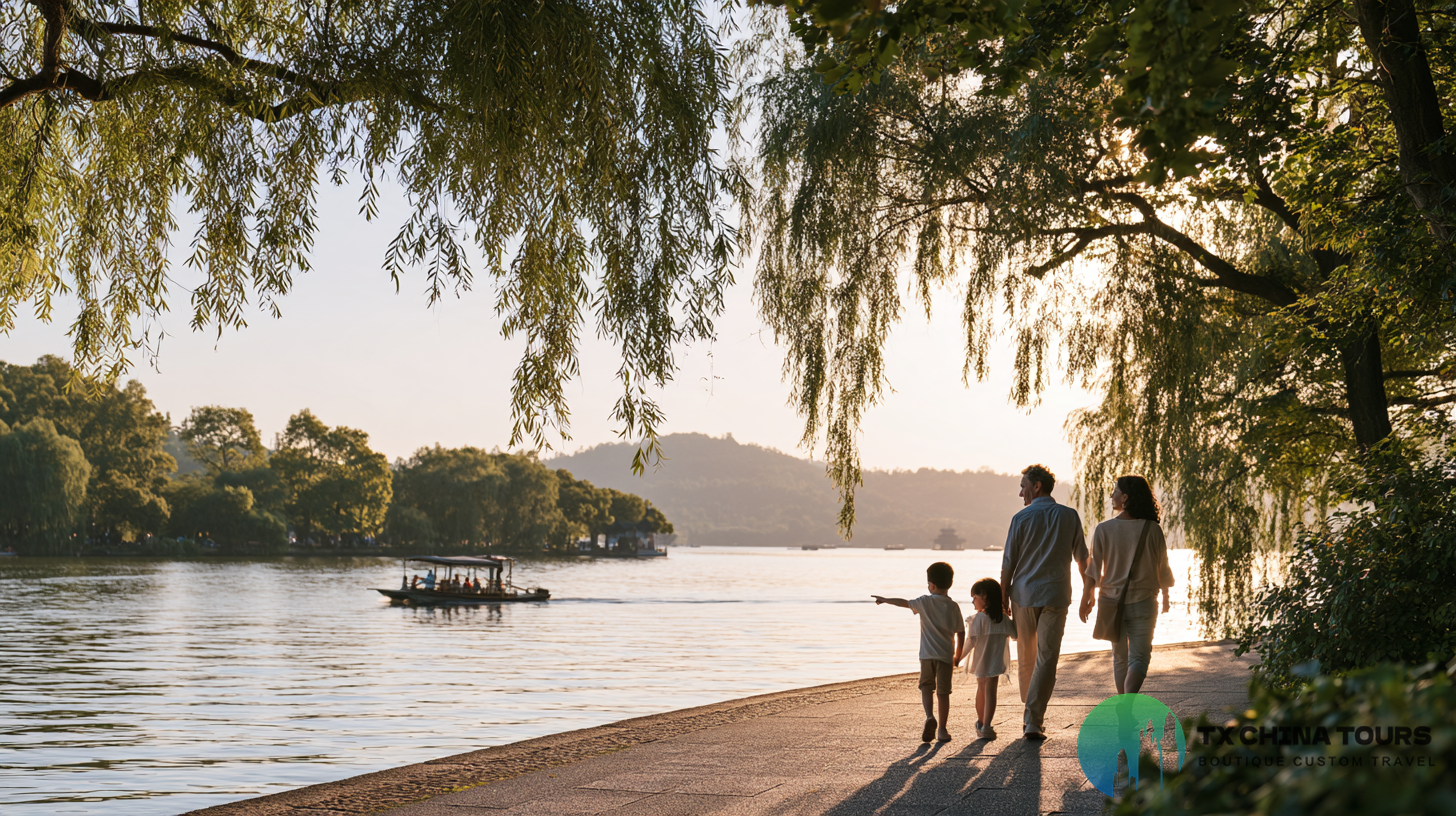
For a first family trip to China, plan around the youngest child's needs and give older children a say in the experiences. A successful day may include one memorable outing, an enjoyable meal and enough time to rest. It does not need to include several famous sights.
Seven days usually works best with one base or two connected cities. Before booking attractions, settle the room arrangement, the pace of each day and the travel between hotels. These decisions shape the holiday more than a long list of activities.
Match the trip to your children's ages
| Family stage | What to prioritise | What to limit |
|---|---|---|
| Babies and toddlers | Predictable meals, naps, easy room access and short outings | Repeated hotel moves and tightly timed evening plans |
| Preschool children | Hands-on experiences, short walks and space to pause | Long explanations and consecutive queue-heavy activities |
| Primary-school children | One clear story or activity at each major sight | Too many similar museums or monuments in a row |
| Teenagers | Choices, personal interests and some independent decision-making | A schedule designed entirely around younger siblings |
These are planning prompts, not rules about what a child should enjoy. A child fascinated by history may happily spend longer in a museum; another may prefer a park or a food activity. Ask each child to select one priority before finalising the route.
Use a manageable Shanghai and Hangzhou itinerary
For a family wanting city sights and outdoor breaks, consider four nights in Shanghai and two in Hangzhou. This proposed route assumes a convenient flight home from Hangzhou; if returning from Shanghai, adjust the final night or choose a Shanghai-only base.
| Day | Main plan | Family adjustment |
|---|---|---|
| 1 | Arrive in Shanghai and settle in | Eat near the hotel and unpack only what you need |
| 2 | A short Bund visit and a nearby outing | Return for a nap or quiet period |
| 3 | A museum, aquarium or other child-chosen attraction | Check current admission and avoid another major booking |
| 4 | A flexible city day | Use it for weather changes, shopping or a full-day theme park |
| 5 | Train to Hangzhou and check in | Keep the first lakeside walk short |
| 6 | West Lake and one additional activity | Choose transport and distance around the children |
| 7 | Depart | Keep breakfast and packing unhurried |
The flexibility on Day 4 is deliberate. If a theme park is essential, treat it as the main event and budget for it separately. If everyone is tired, use the day for a shorter outing instead.
For a history-focused family, the Beijing and Xi'an route is another option. Give children a simple theme at each stop and keep the transfer day free of a major attraction.
Check whether two adults and two children fit the room
A room shown with two large beds is not automatically approved for four guests. Enter both children's ages when searching, then ask the hotel to confirm permitted occupancy for the exact room category.
Compare a family room, a suite, two connecting rooms and two ordinary rooms. Check the number and size of actual beds, whether a sofa bed is made up, and whether an extra bed can be guaranteed. Confirm breakfast for all four guests and any child charges.
Connecting rooms have an internal door; adjacent rooms may simply be next to each other. If you need the internal door for supervision, obtain written confirmation rather than relying on a general request. The hotel and family-room guide includes a message you can send before booking.
Plan naps as part of the route
If your child normally naps, choose a hotel from which returning is realistic. A midday break has limited value when it requires a long journey each way. Group nearby activities and decide whether the family will return to the room or use a quiet seated break that day.
Try to avoid combining a very early start with a late performance. If a special evening activity matters, make the morning easier. Keep the day after a late arrival light, even if the time difference from home is small; a short overnight flight can still mean very little sleep.
Check access for strollers at the actual attraction. Large sites can involve steps, security checks and surfaces that make pushing difficult. Bring the equipment your family can manage through stations and vehicles, and ask where it can be stored.
Make transport manageable for everyone
Allow for all passengers and luggage when booking an airport car. Ask a private transport provider about an appropriate child seat in advance, giving the child's age, height and weight. Obtain confirmation of the seat and vehicle rather than expecting a last-minute request to be fulfilled.
On trains, book the family together and check assigned seats. Under current real-name rail rules, children aged six to under fourteen use child tickets; a paying adult may accompany one declared child under six without a separate seat. Book a seat when your child needs one. Official municipal rail guide.
Put spare clothes, tissues and suitable food in an accessible bag. Give each adult a clear job during boarding so one is not trying to supervise both children while handling all the suitcases. The train guide covers station procedures and ticket problems.
Make meals predictable without making them boring
Identify breakfast options and one reliable dinner near each hotel. Introduce new dishes alongside familiar foods rather than depending on the children liking every meal. Ask for chilli or strong sauces separately where the kitchen can accommodate that request.
For halal, vegetarian or allergy requirements, explain the actual restrictions. A dish containing vegetables may still use meat stock; a restaurant's no-pork option may not meet a family's halal requirements. Confirm ingredients and preparation with the restaurant. The food guide explains the distinctions and includes useful Chinese phrases.
If a child has a food allergy, prepare a translated allergy card and discuss ingredients and cross-contact with the kitchen. Carry the medicines and emergency plan advised by the child's clinician. FARE dining guidance.
Divide the jobs on a transfer day
Agree who supervises the children and who handles the tickets and luggage before reaching the station or airport. Keep one small bag with food, a change of clothes and essential items accessible. If each adult is already managing a child, reduce the number of loose bags rather than assuming someone else will carry them.
Show older children the sequence of the journey in simple terms: car, station, train, another car, hotel. Explain where the family will stay together and what to do if separated. Keep the meeting plan appropriate to the child's age and choose a clear staffed location rather than an ambiguous instruction to meet outside.
| Stage | Family preparation |
|---|---|
| Before leaving the room | Toilets, food and the day bag ready |
| Security and boarding | One adult responsible for each child's movement |
| On the journey | Required items reachable without opening every suitcase |
| At arrival | Pickup instructions and hotel address available offline |
| At the next hotel | Confirmed beds and time to settle before another outing |
Treat a child-friendly description as a starting point
Check the actual activity's age, height and participation conditions. A venue can welcome families while a particular ride, lesson or exhibit remains unsuitable for one child. Confirm whether an accompanying adult needs a ticket and whether the younger sibling has somewhere appropriate to wait.
For hotel facilities, ask about operating hours, supervision and any reservation requirement. A photograph of a play area or swimming pool does not establish access during your stay. Keep the ordinary hotel room comfortable enough for an unexpected quiet afternoon.
Let each child choose one realistic priority, then protect time for it. Avoid promising every activity before bookings and conditions are checked. When weather or tiredness changes the day, offer a small number of suitable alternatives rather than trying to reproduce the original schedule at a faster pace. A successful family holiday can include fewer attractions and more time for the experiences the children actually engage with.
Budget for children using real policies
Airlines, trains, hotels and attractions do not use a single child-discount rule. Check each child's age on the travel date and the actual terms of the product. A free hotel stay using existing bedding may still involve breakfast charges.
Keep a reserve for a taxi instead of a walk, an extra rest day or a changed meal. These small adjustments can protect the family's enjoyment when the original plan proves too ambitious. The budget guide explains how to price two adults and two children using actual component policies and quotes.
For a tailored family trip, send TX China Tours the children's ages, nap needs, food requirements, room preference and one priority for each family member. Include flight times and your comfortable daily pace so the proposed itinerary can leave room for both discovery and rest.

The company providing services to you
TX China Tours is the inbound travel brand of Hunan Tuxiang Tianxia International Travel Co., Ltd, serving international visitors to China. Your booking and travel contract are with this company, which is also responsible for arranging your tour services.