China travel inspiration
Photographing Zhangjiajie: A Plan for Mist and Clear Views
Sunrise and Sea-of-Clouds Photography · China travel guide
For Zhangjiajie photography, a flexible park day is usually a better starting point than a promise of sunrise. Choose whether you most want wide layers of pillars, closer rock shapes or forest and water, then build a route that gives you time to wait. A pre-dawn outing makes sense only when entry and transport are confirmed; ordinary opening-hour views can still give you memorable photographs.
Choose the picture you want to make
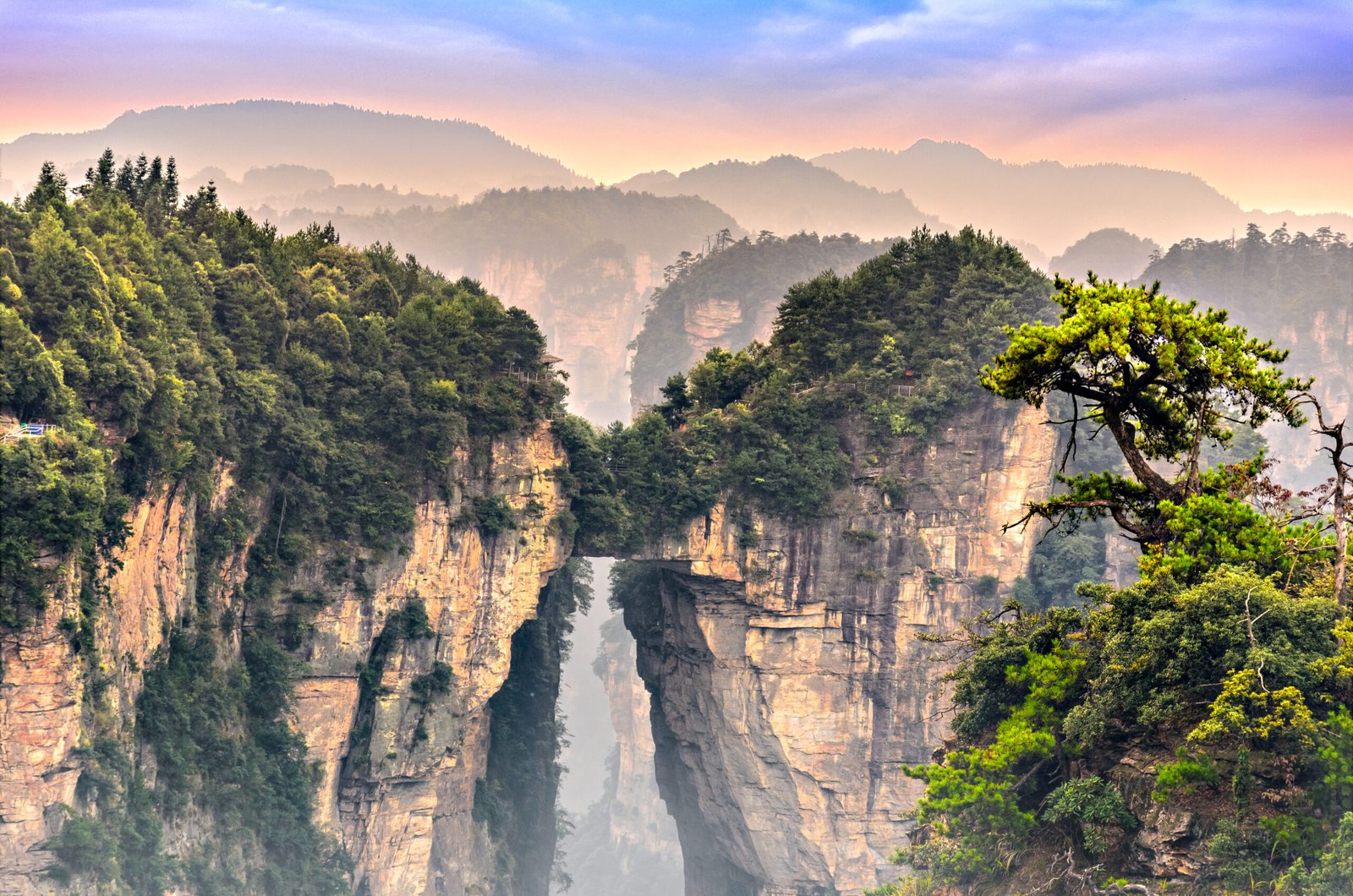
A wide view explains the peak forest as a landscape. A longer lens can isolate a few pillars and show their layers. A closer view of trees against rock brings out smaller details. Choose the kind of photograph that interests you.
Before choosing a viewpoint, decide whether your priority is the sun itself, mist between peaks or the shapes of the stone. This makes the day easier to adapt. If the sun remains behind cloud, you can still work on another idea rather than waiting for a photograph that the weather will not provide.
Check how you will reach a dawn viewpoint
Staying near Tianzi Mountain does not necessarily mean you can reach a park viewpoint before dawn. Gates, roads, scenic transport and the last section on foot all need to fit the actual time of your visit. Old guide routes can conflict with later accommodation or operating arrangements.
Before booking a sunrise outing, confirm that the gate and paths will be open and that the transport can get you there in time. Ordinary park admission does not guarantee this. Do not enter closed trails, assume an unofficial ride creates permission, or treat staying near a gate as proof that it will open when you need it.
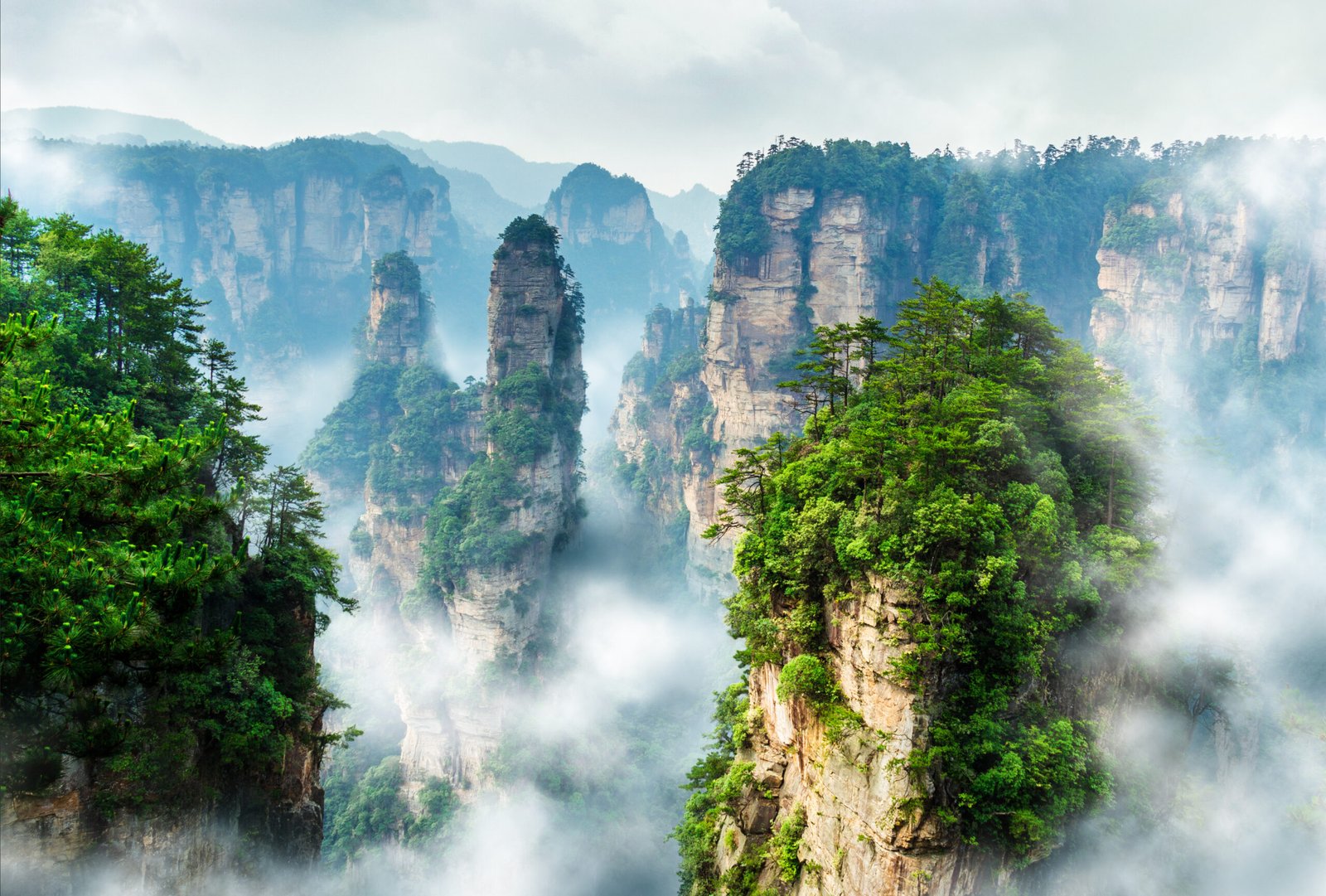
How to frame and expose your photos
Start with a wide photo that shows how the pillars sit in the landscape. Then zoom in or use a longer lens to pick out a few layers. When a gap opens in the mist, take a photo before changing lenses or moving to another viewpoint.
Review a test photo before taking more. If the brightest clouds look flat and white, lower the exposure slightly and check whether more detail is visible.
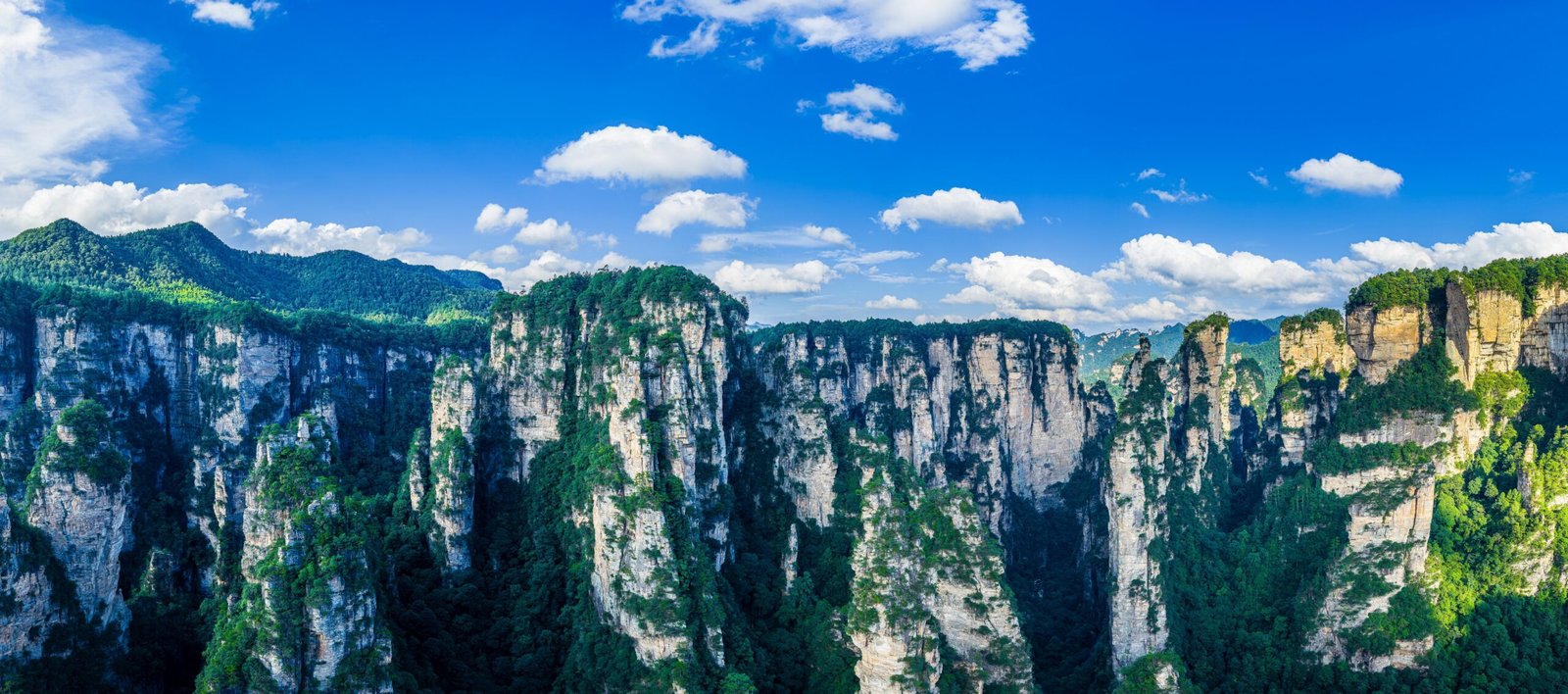
Three photography plans for different weather conditions
In clear weather, spend time at a permitted upper viewpoint and try a few different groups of pillars rather than rushing to the next platform. In passing mist, keep the camera ready for a small opening and make one straightforward frame before changing your setup. In persistent low cloud, switch to nearer trees, wet stone or an open valley route if conditions permit.
If you’re travelling with people who don’t want to stop for photos, agree how long you’ll spend at the viewpoint and where you’ll meet afterwards.
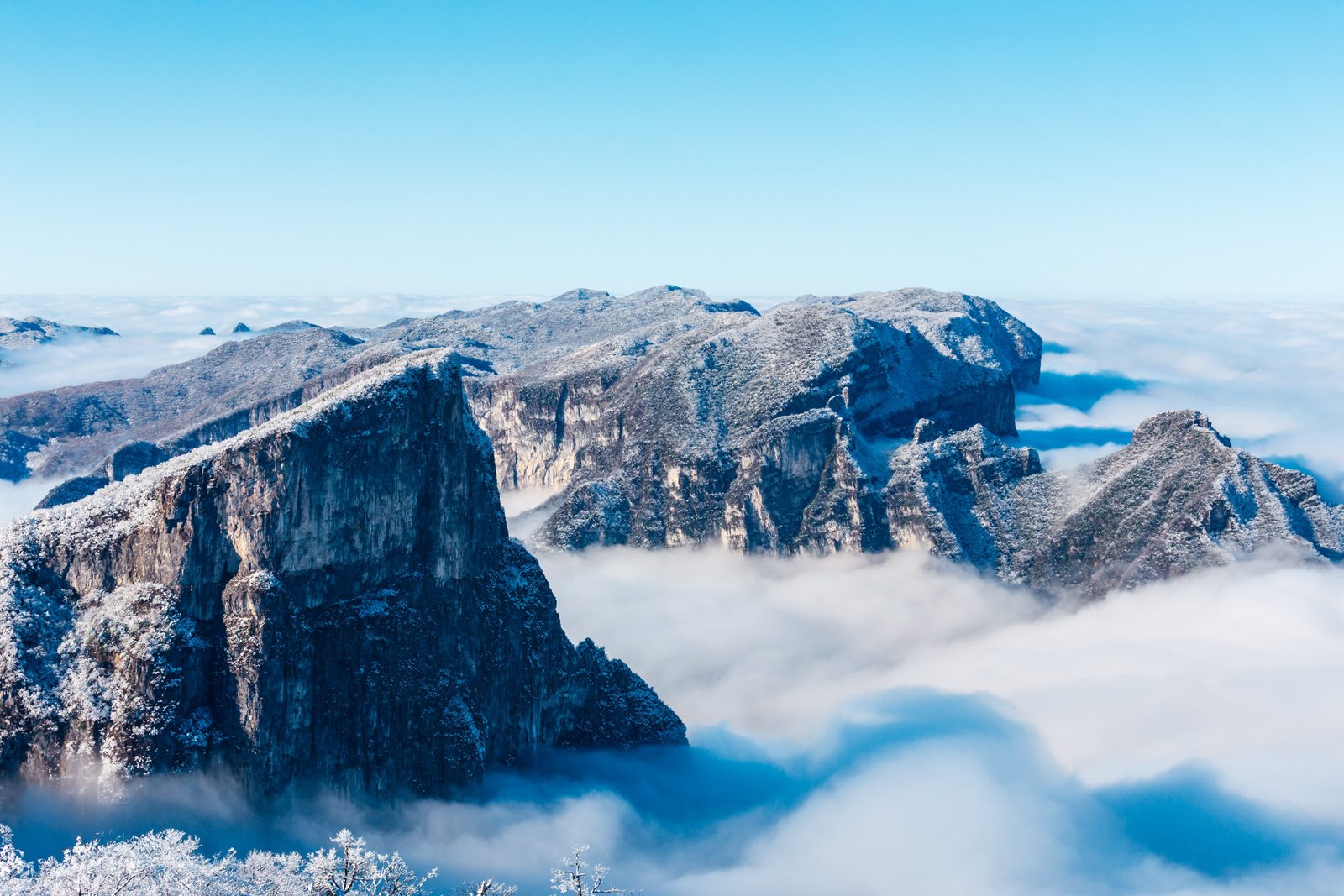
Which photograph matters most to you?
Tell us whether you most want mist, layered pillars or a dawn outing. We can discuss viewpoints, walking and permitted access, with other subjects to photograph when the light or weather changes.
Carry equipment you can use while walking
A phone or a modest camera kit can be enough for a rewarding day. A normal lens and a longer option offer different ways to arrange the pillars; a very wide lens is not automatically the answer to a large landscape. Keep a dry cloth and weather protection accessible.
If you use a tripod, choose permitted stopping places and leave passage clear. Do not spread equipment across a narrow path or climb beyond barriers to remove a railing from the composition. Stay on open paths and use viewpoints where visitors are allowed to stop.
If photographs are a priority, ask TX China Tours to allow fewer viewpoint stops and more time waiting for light in the 3-day private Zhangjiajie itinerary. Discuss a second opportunity rather than a promise of sunrise or a cloud sea.
Leave time to get back
Photography slows travel. Waiting for light, changing equipment and revisiting a frame take time beyond the walking route. Agree when you need to leave a viewpoint to catch the available return connections, particularly toward the end of the day.
If photography matters greatly to you, leave a second viewing opportunity in the itinerary. It offers another chance to work with the conditions, without making a cloud sea or colorful sunrise any more certain. When sharing photographs afterward, say when they were taken and disclose any composite sky or other major alteration. This helps others understand the conditions you saw without expecting every visit to look the same. Keep a worthwhile sightseeing plan for days when the camera stays mostly in the bag.
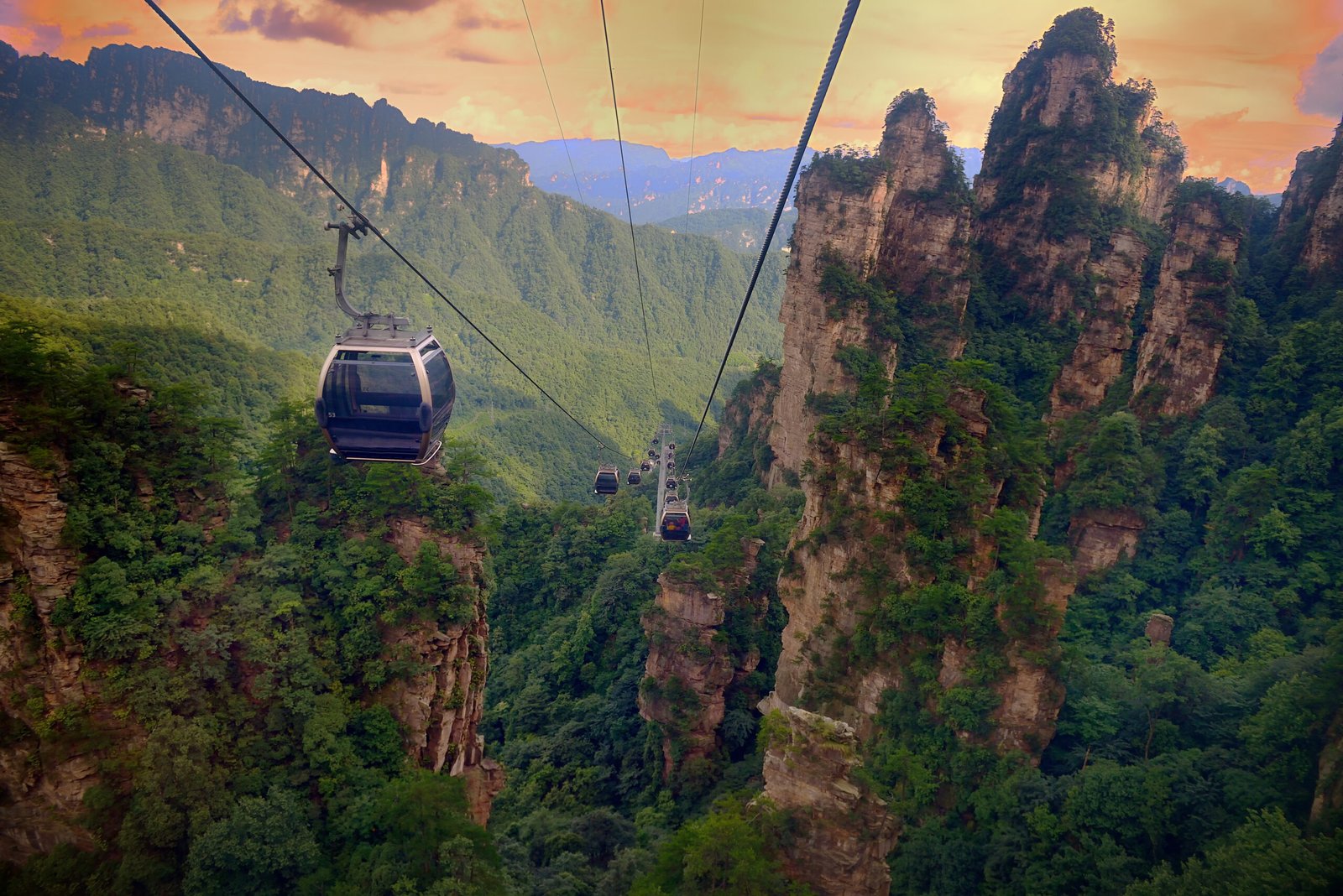
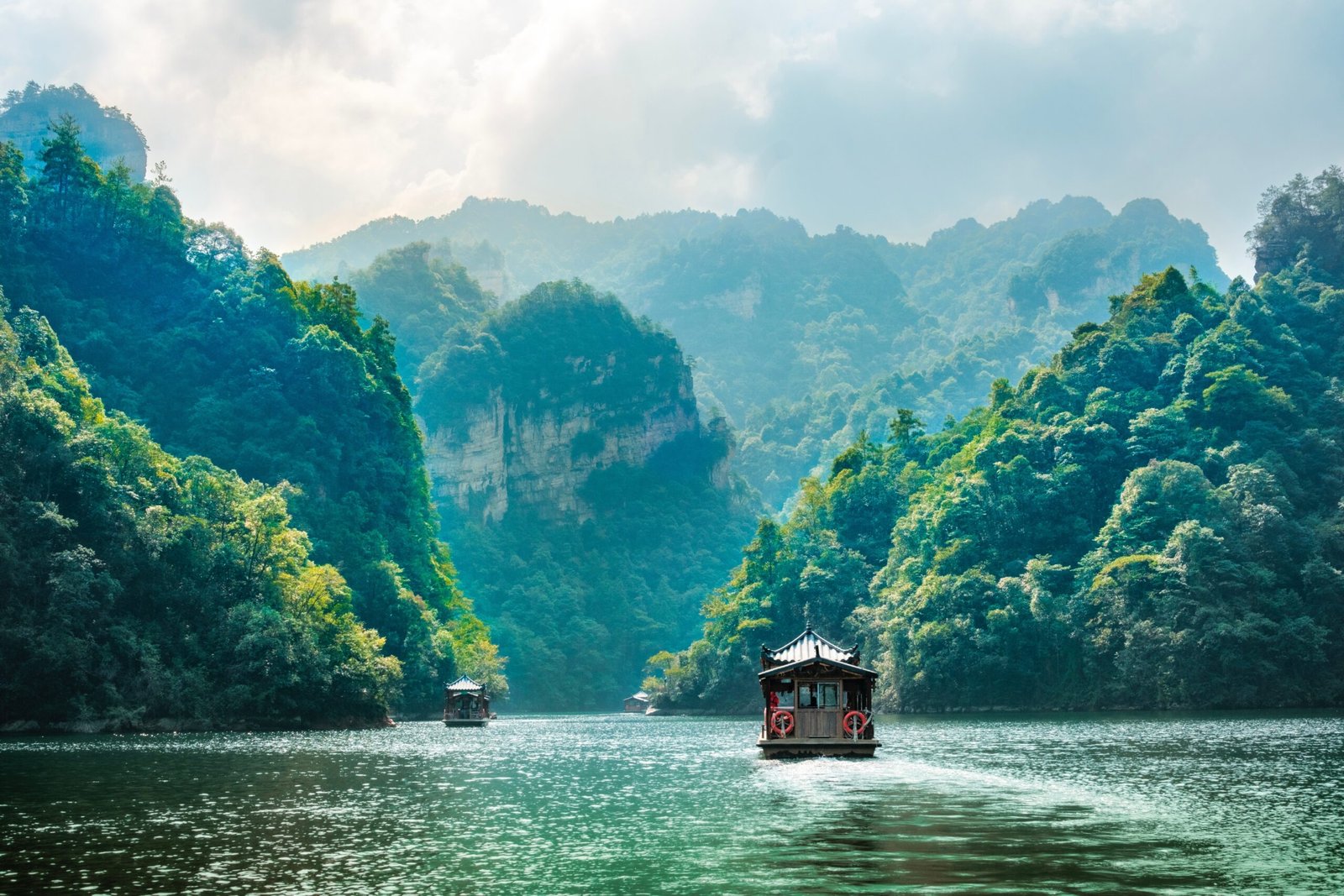
If you have time for a separate outing, Baofeng Lake offers a lower viewpoint for photographing wooded hills and boats from the water.
Landscape photography questions
Can a guide guarantee sunrise or a cloud sea?
No. A guide can help plan access and alternatives, but light and cloud are weather-dependent. Treat sample images as examples, not a promised view.
Should I choose a pre-dawn trip or an ordinary park day?
Choose an ordinary park day unless a provider has arranged authorized pre-dawn access and transport in advance. The geopark’s posted opening is 07:30, so buying a normal daytime ticket is not a sunrise plan. For an easier photography day, use the open viewpoints during normal hours and leave time for valley and forest subjects.
Build a Zhangjiajie photo trip with room to adapt
Share your dates, camera equipment, walking limits and the scenes you hope to photograph. We can discuss a Zhangjiajie stay with time for viewpoints, rest and changing weather, checking dawn access separately if an early start is important to you.

The company providing services to you
TX China Tours is the inbound travel brand of Hunan Tuxiang Tianxia International Travel Co., Ltd, serving international visitors to China. Your booking and travel contract are with this company, which is also responsible for arranging your tour services.