
China travel inspiration
Tujia Sour Fish: What to Expect Before You Order
Sour Fermented Fish · China travel guide
If you enjoy fermented flavors, Tujia sour fish can add something quite different to a Zhangjiajie dinner. Ask for suan zha yu, a preserved fish preparation that is subsequently cooked, rather than assuming any menu entry called sour fish means the same dish. Its concentrated sour, salty flavor and possible fine bones make a small shared tasting a better introduction than choosing it as the only main for a mixed group.
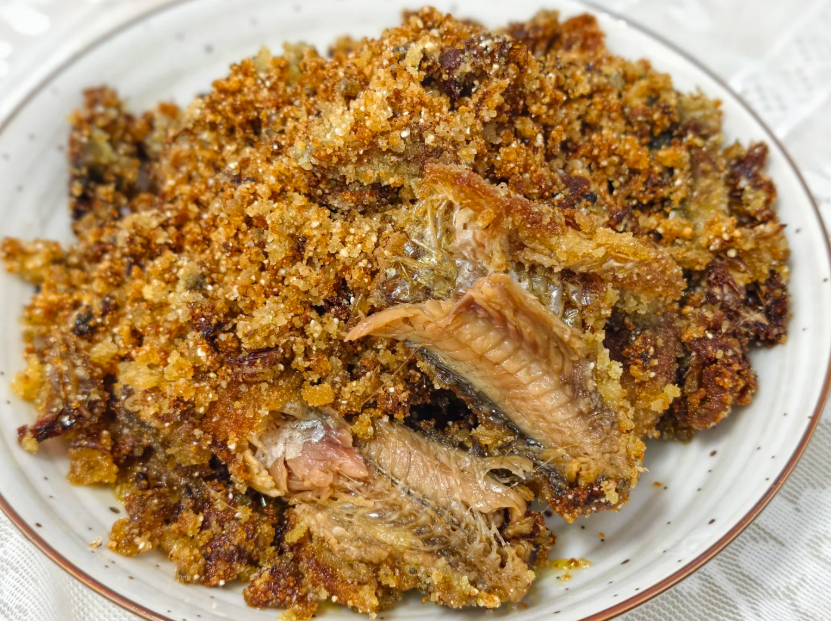
Know which sour fish you are ordering
English translations can flatten several different dishes into sour fish. A menu may instead mean fresh fish in a sour soup, fish cooked with pickled mustard greens, or a vinegar-seasoned preparation. Those can all be enjoyable, but they are not interchangeable with fermented suan zha yu.
Keep the dish’s transliterated name with you and check the restaurant’s menu or a photograph of its own dish to see what to expect. This is especially worthwhile when you are choosing it for a particular interest in fermentation, rather than looking for fish in general.
Sourness, heat and bones: three separate questions
Older local descriptions mention small fish coated with seasoned rice flour and preserved in a jar, then fried. Other local reporting describes a different smoking and fermentation sequence. Methods vary, so there is no single fermentation time that describes every kitchen’s recipe. Fish species, size and accompanying ingredients can differ as well. A menu photograph helps establish the restaurant’s style, but cannot verify how that batch was processed.
The resulting flavor can combine sourness, salt and the aroma of later cooking. A cooked exterior may have more texture than the fish in a soup. Begin with a small bite and plain rice, allowing the acidity to settle before deciding whether you want another helping. Sourness and chilli heat are separate qualities: requesting less chilli will not turn fermented fish into a fresh, neutral-tasting fillet. If the fermented aroma itself is what you dislike, a freshly cooked fish dish is a more useful alternative than repeatedly asking the kitchen to make this one milder.
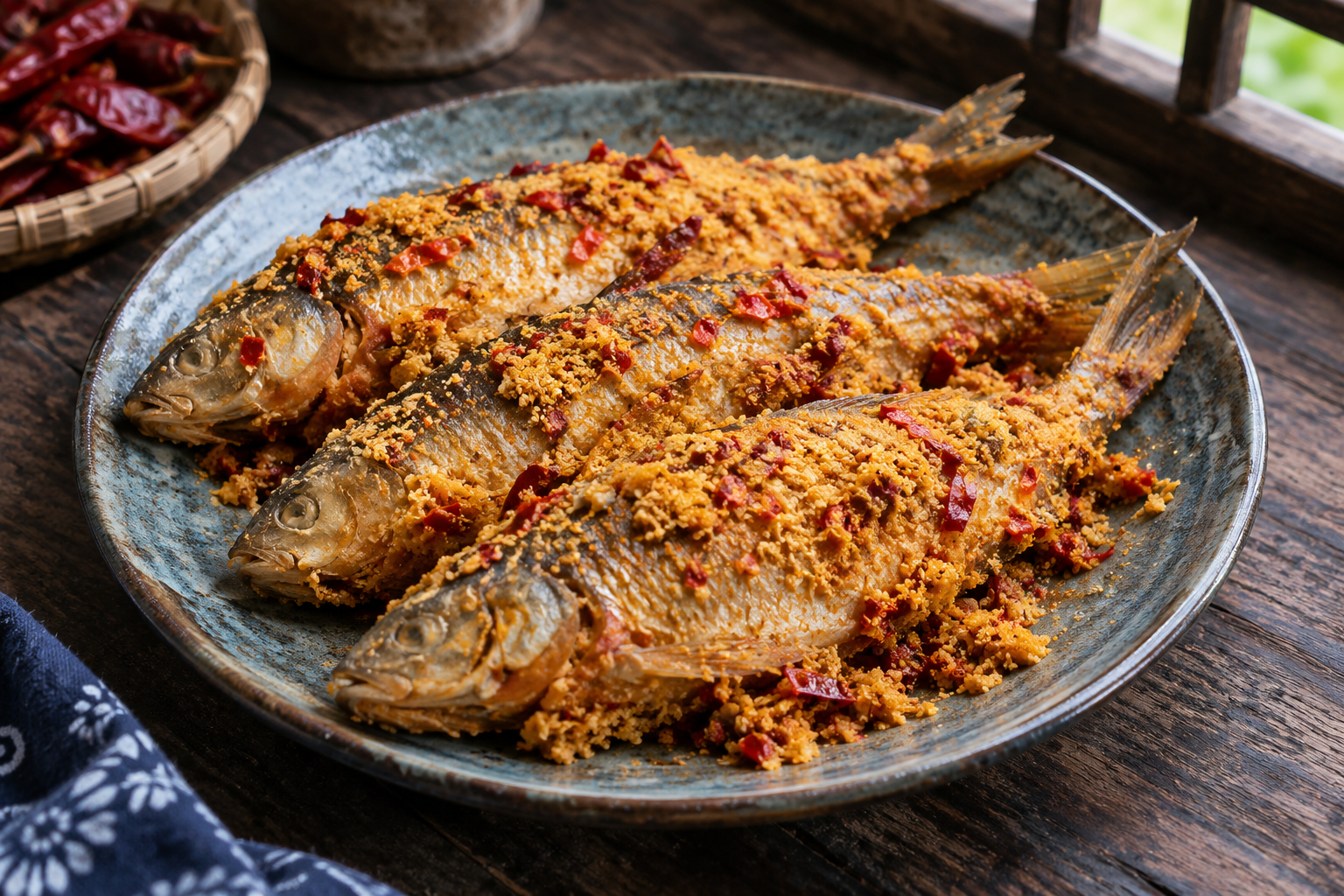
Start with a small tasting
Ask whether a small cooked portion is available. If only one or two people want to taste it, order their plate alongside a main the rest of the table already likes. Nobody needs to make fermented fish the centerpiece of dinner to learn something about local cooking.
Small fish can contain fine bones. Take your time and consider whether the actual fish size and preparation suit everyone at the table. For a group with different preferences, keep another main dish independent of the sour fish rather than assuming that everybody will treat it as dinner.
Three useful questions for the menu
First, is this fermented fish or fresh fish cooked in a sour broth? Second, is the serving made with small whole fish or larger pieces? Third, is chilli already part of the preserved mixture or added in the final cooking? Those answers tell you more than a single spicy-or-not question.
Keep the rest of the order straightforward: rice, a vegetable dish and a main without the same sour seasoning. If you want the tang of pickled vegetables but not fermented fish itself, a freshly cooked fish soup may be a more appealing choice. Make that preference clear before the kitchen starts cooking.
Curious about fermented flavors?
Tell us which local dishes appeal to you and which ingredients you avoid. We can discuss a Zhangjiajie food evening with small tastings for curious diners and other dishes for companions who prefer familiar flavors.
Choose a place that explains its dish
A restaurant that can explain its own fish preparation is more useful than a venue promoted only as adventurous or secret. Choose from a current menu and establish the portion and price. Ask the restaurant about its ingredients and preparation if you are unsure.
A small sour-fish tasting can be one part of a longer western-Hunan trip. Use the 5-day Zhangjiajie, Furong and Fenghuang private itinerary to discuss meal preferences with TX China Tours, making sure companions who prefer another main have a complete dinner too.
Ask for cooked Tujia sour fish
Some older tourism pages say the fish can be eaten straight from the preservation jar. Choose a cooked restaurant serving instead. A traditional description cannot establish the safety of an unknown batch, and a short online recipe is not enough guidance for making fermented fish at home.
Fermentation does not remove fish allergens. If a kitchen cannot explain the preparation or meet your food requirements, choose a different dish.
Sour-fish questions
Is it the same as suancaiyu?
No. Suancaiyu commonly refers to fish cooked with pickled mustard greens. Suan zha yu refers to a preserved fermented fish preparation; clarify the menu’s actual meaning.
Is there one fixed recipe?
Methods vary across local descriptions and kitchens. Ask how the restaurant prepares its version; use the dish name as a starting point, not as a recipe for making fermented fish at home.
Build food discoveries into your Zhangjiajie visit
Share your dates, hotel plans, group size and interest in Tujia cooking. We can plan evenings around your sightseeing, with time to try fermented fish in a small portion alongside dishes the rest of your group will enjoy.
About this guide: we checked published visitor information on 8 November 2026. This is a researched guide, not an account of a recent guided visit. Before booking, confirm the entry rules, services and dietary arrangements for your travel dates.

The company providing services to you
TX China Tours is the inbound travel brand of Hunan Tuxiang Tianxia International Travel Co., Ltd, serving international visitors to China. Your booking and travel contract are with this company, which is also responsible for arranging your tour services.