China travel inspiration
The Forbidden City: What to See on Your First Visit
The Palace Museum · China travel guide
For a first visit to the Forbidden City, give yourself a generous half-day and follow the main palace axis from south to north. Add one gallery or residential area that genuinely interests you. That is a more satisfying introduction than trying to see every open room, and it leaves time to appreciate the huge courtyards between the buildings.
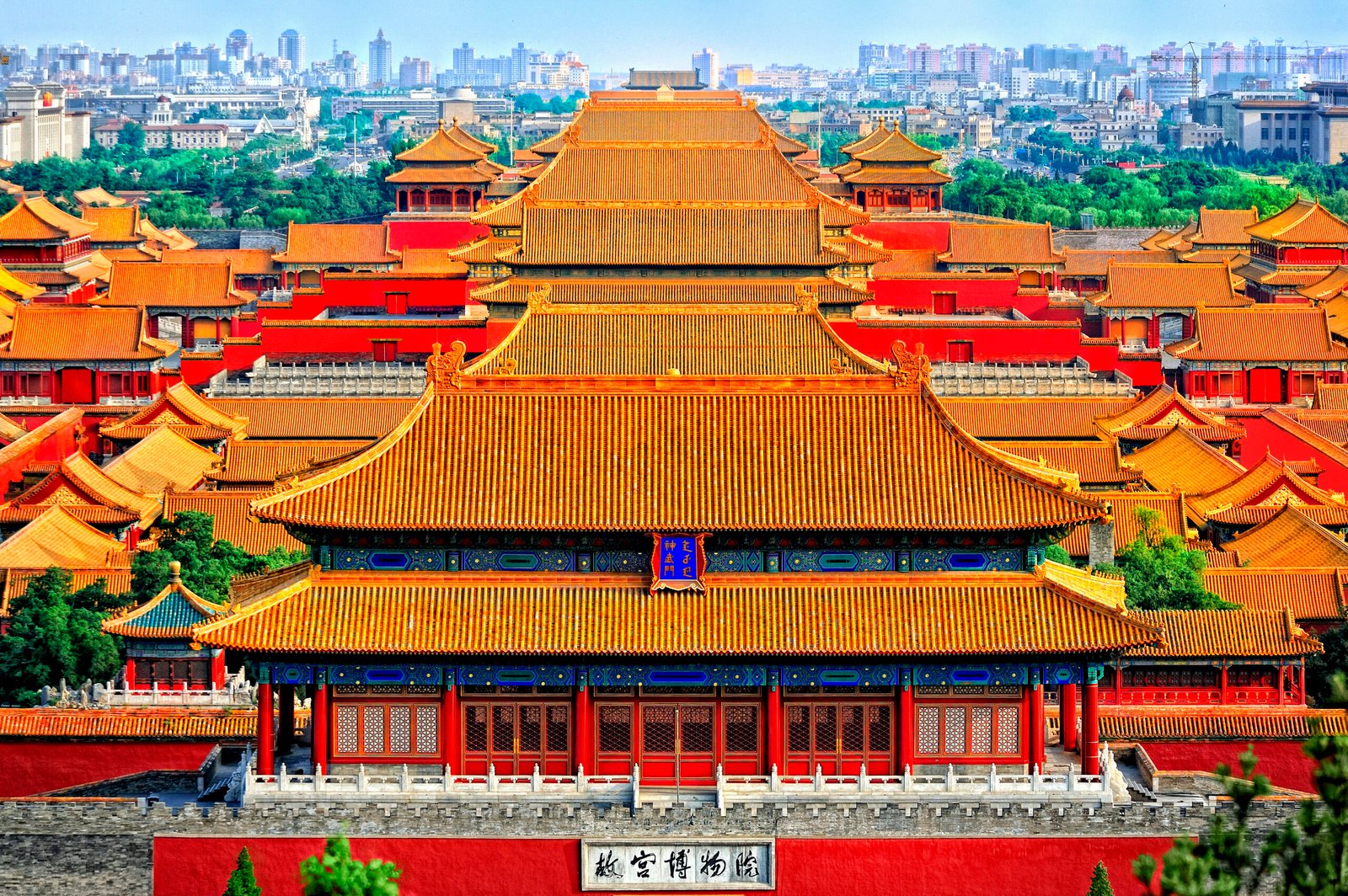
The Palace Museum occupies the former home and ceremonial center of the Ming and Qing emperors. Think of the visit as two experiences together: walking through an imperial city and looking at objects from its collections. Choose how much of each you want before planning the rest of your Beijing day.
How the Forbidden City’s architecture reflects imperial power
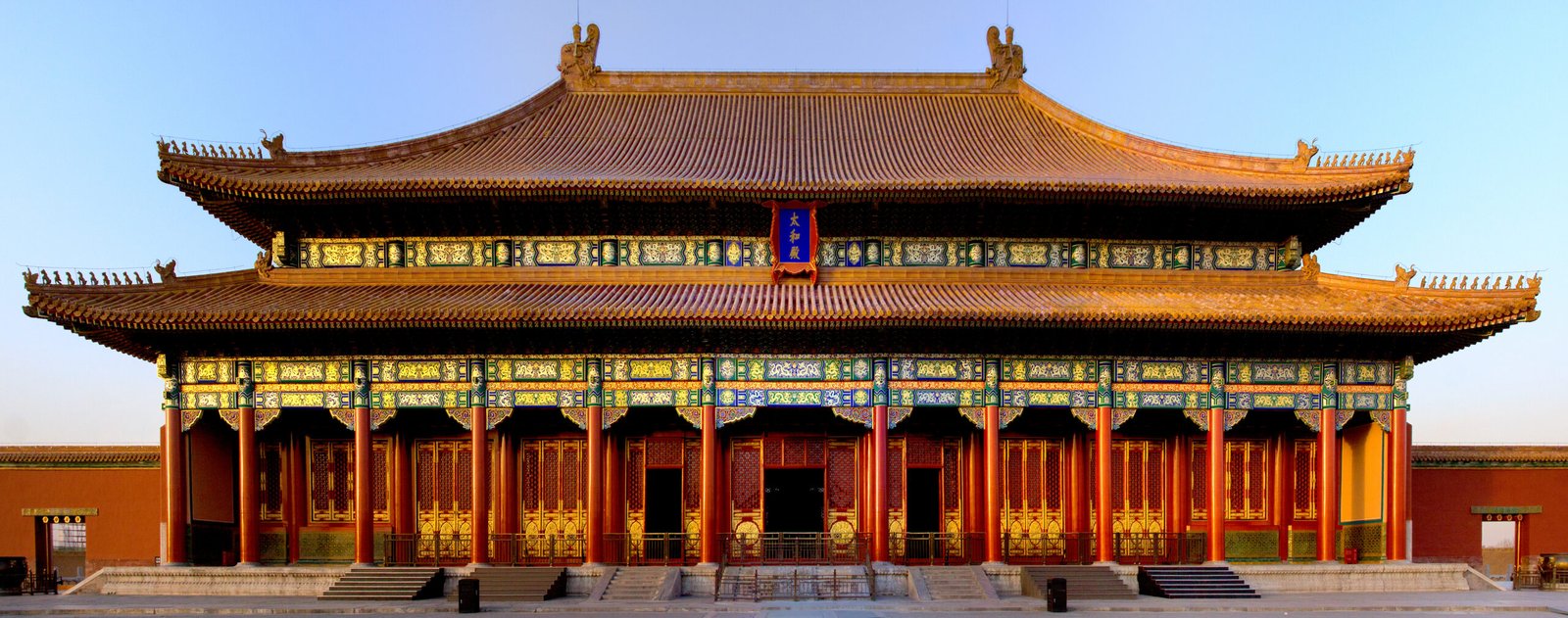
The large southern courtyards were designed for ceremony. Approaching the Hall of Supreme Harmony across open paving helps explain the relationship between ruler, officials and ritual. Look at the repeated changes in height: gates, terraces and rooflines guide attention toward the important buildings.
After the great ceremonial halls, notice how the courtyards become more enclosed as you approach the imperial household areas. The change helps you imagine a working residence behind the public ceremonies. Near the northern end, the Imperial Garden adds trees, rockwork and smaller structures to the route. It is a useful final change of scene before leaving through the Gate of Divine Prowess, subject to the open visitor route.
Make time for a gallery or a side courtyard
Visitors drawn to objects should leave time for a gallery rather than spending the entire visit photographing roofs. Ceramics, painting, clocks or court treasures offer different ways into palace life; the available exhibition programme determines the choice. Some special areas have separate admission arrangements. Choose from the current exhibition programme and book any extra ticket required; general admission does not cover every display.
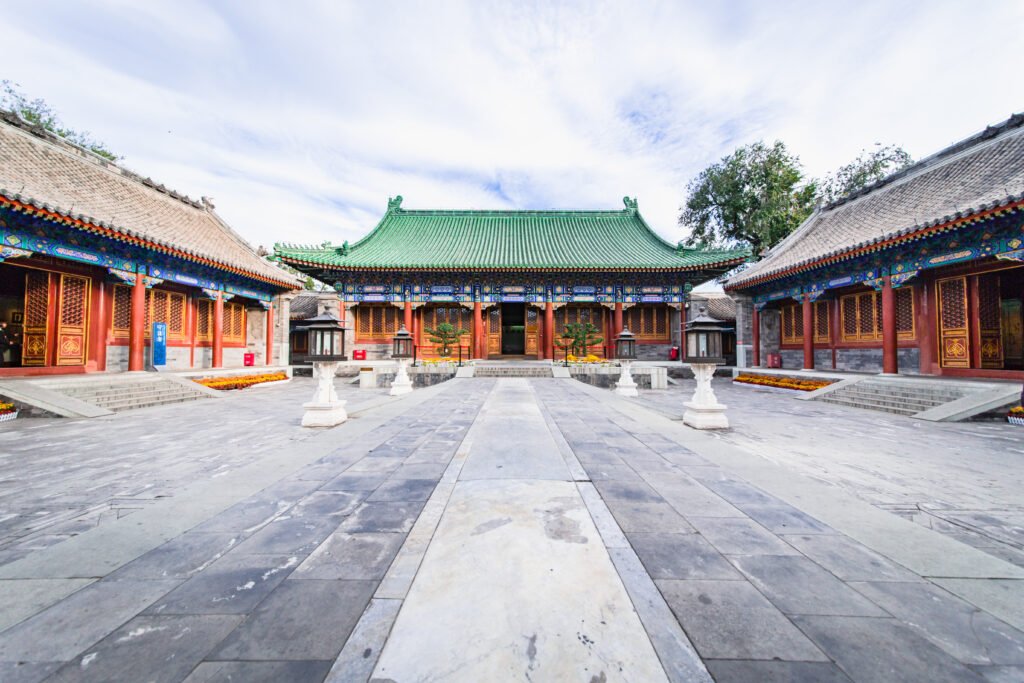
Architecture lovers may prefer side courtyards and details: painted beams, door fittings and the way passages connect formal and private spaces. Families can turn the visit into a search for these changes, choosing a few memorable objects rather than expecting children to absorb a long chronology. Check that a particular room is open before making it a priority.
Make the reservation fit the actual visit
Use the museum’s official admission information and reserve ahead. The Palace Museum is not a reliable same-day ticket purchase plan. Passport details should match the identity document used for entry, and the original booked document needs to travel with you. A booking confirmation is worth saving where it can be retrieved without mobile data.
Tiananmen Square and the National Museum are separate destinations with their own arrangements. Being beside one another on a city map does not turn them into a combined ticket. Choose the main visit for the day before adding other stops.
Build a palace day around your interests
Tell us whether your priority is imperial history, architecture or collections, together with your travel date and walking preferences. We can discuss a focused Palace Museum day and a realistic nearby addition.
Plan a forward route and a sensible finish
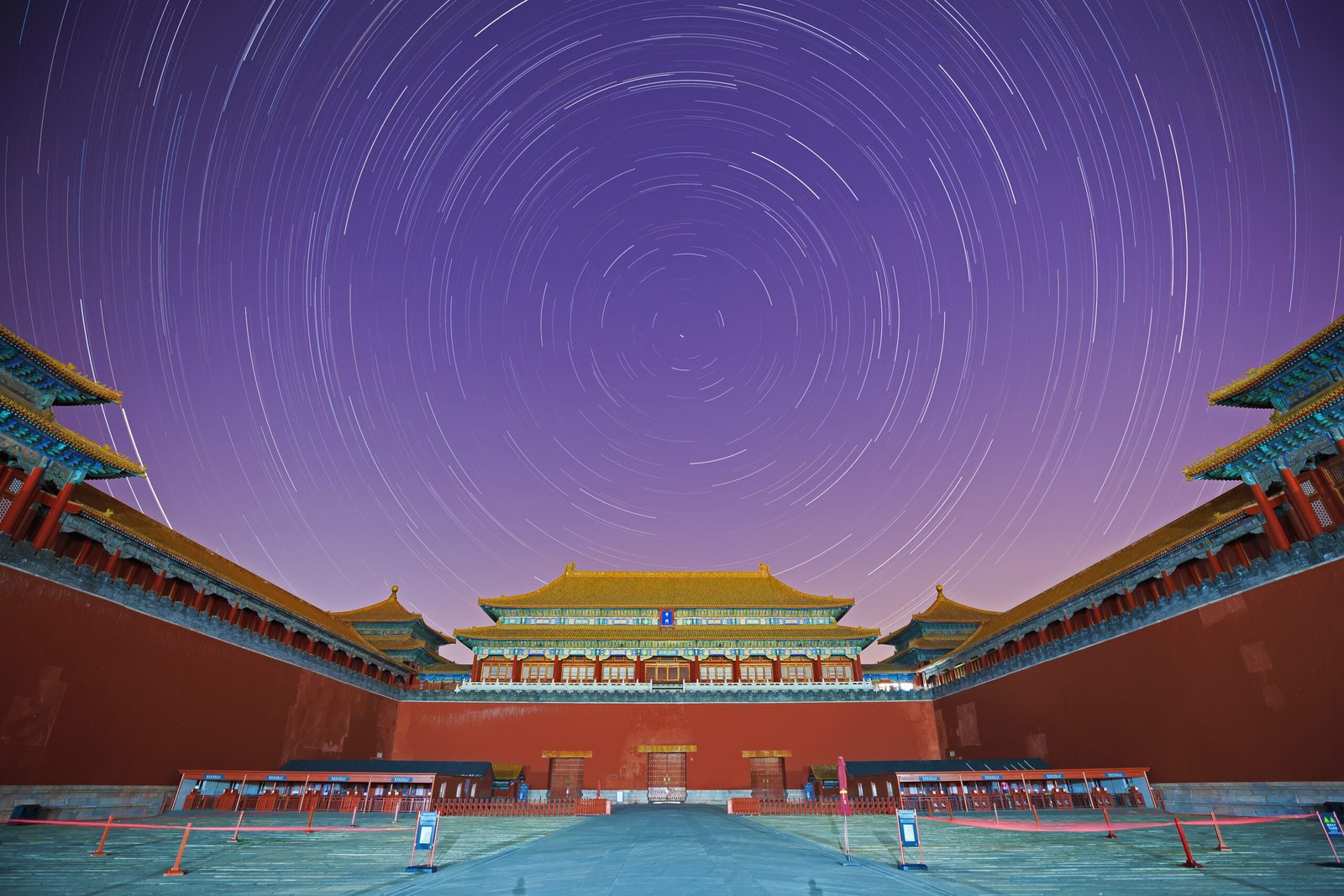
The usual visitor flow begins at the southern Meridian Gate. Build your route forward through the palace rather than assuming you will exit where you entered. The Gate of Divine Prowess at the northern end is a useful reference point for finishing the central route. Other open exits lead to different streets, so choose a pickup point that matches where you will finish. Tell a driver or travelling companion which exit you actually intend to use.
Wear shoes suitable for long stretches of paving and bring layers appropriate to the season. Broad courtyards offer little shelter in harsh sun or cold wind. A shorter route with a seated pause can be more satisfying than reaching the final garden exhausted. Accessibility needs deserve a route-specific discussion because historic thresholds, distances and entry arrangements vary across the complex.
TX China Tours’s 7-day Beijing and Zhangjiajie private itinerary gives the Forbidden City a central place in the Beijing stay. Tell us whether you want more palace collections or an easier finish in the hutongs, so the day can be adapted around that choice.
Let the palace set the pace of the day
After the Forbidden City, stop for lunch or head to Jingshan Park near the north exit. If you still feel like climbing, the hill gives you a view back across the palace roofs. Check park admission separately and give yourself time for the climb.
Questions before you book
Is the Palace Museum different from the Forbidden City?
The Forbidden City is the historic palace complex. The Palace Museum is the institution based there, responsible for its buildings and collections. For travel planning, the names commonly refer to the same main visit.
Can I combine it with another major museum?
Yes, if you book separate visits and leave time for the transfer and security checks. A workable order is the Palace Museum in the morning and the second museum in the afternoon. If that second stop is the National Museum of China, it needs its own real-name reservation and normally stops admission at 16:00. For a less rushed day, give the palace a half-day and add a smaller stop instead.
Give the palace room in your Beijing itinerary
Share your Beijing dates, group size, preferred language and main interests. We can help plan a palace route, explain which sights need separate reservations and leave time for a meal or a nearby stop during the rest of your Beijing stay.

The company providing services to you
TX China Tours is the inbound travel brand of Hunan Tuxiang Tianxia International Travel Co., Ltd, serving international visitors to China. Your booking and travel contract are with this company, which is also responsible for arranging your tour services.