China travel inspiration
Sanxiaguo in Zhangjiajie: What to Order for Dinner
Tujia Sanxiaguo · China travel guide
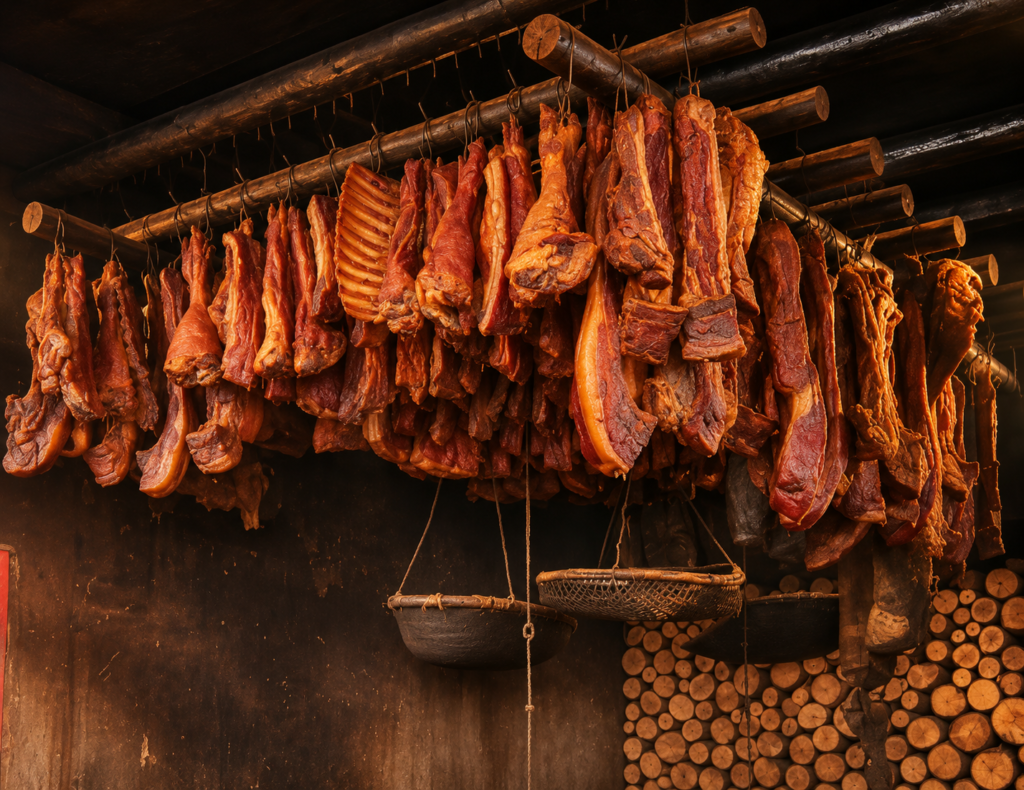
Sanxiaguo is a good first dinner in Zhangjiajie if you enjoy a hearty dish to share. A single pot brings together several meats, vegetables and plenty of seasoning, with rice alongside. The choice that matters most is what goes into it: some versions contain cured pork, stomach or intestine, while other combinations use different cuts. You can ask about those before you commit.
For a straightforward first order, choose a combination everyone at the table likes, decide between a dry pot and a soup pot, then agree on the heat and portion size. That small conversation does more for dinner than trying to identify the one supposedly authentic recipe.

What is Sanxiaguo?
You may see the name written as Sanxia Guo, Sanxiaguo or “three-pot stew.” It refers to ingredients brought together in one pot, rather than three separate pots. Today’s restaurant versions vary. Cured pork, fresh pork, pork stomach, intestine and tripe are among the possibilities, with vegetables or tofu added according to the kitchen’s recipe.
The dish is associated with the Tujia, one of China’s ethnic groups with communities in western Hunan and neighboring areas. In Zhangjiajie, it is a familiar introduction to local cooking: substantial, savory and well suited to a shared table. Offal is part of some recipes, so an attractive menu photograph is not enough to tell you which cuts you will receive.
Dry pot or soup pot: which would you enjoy?
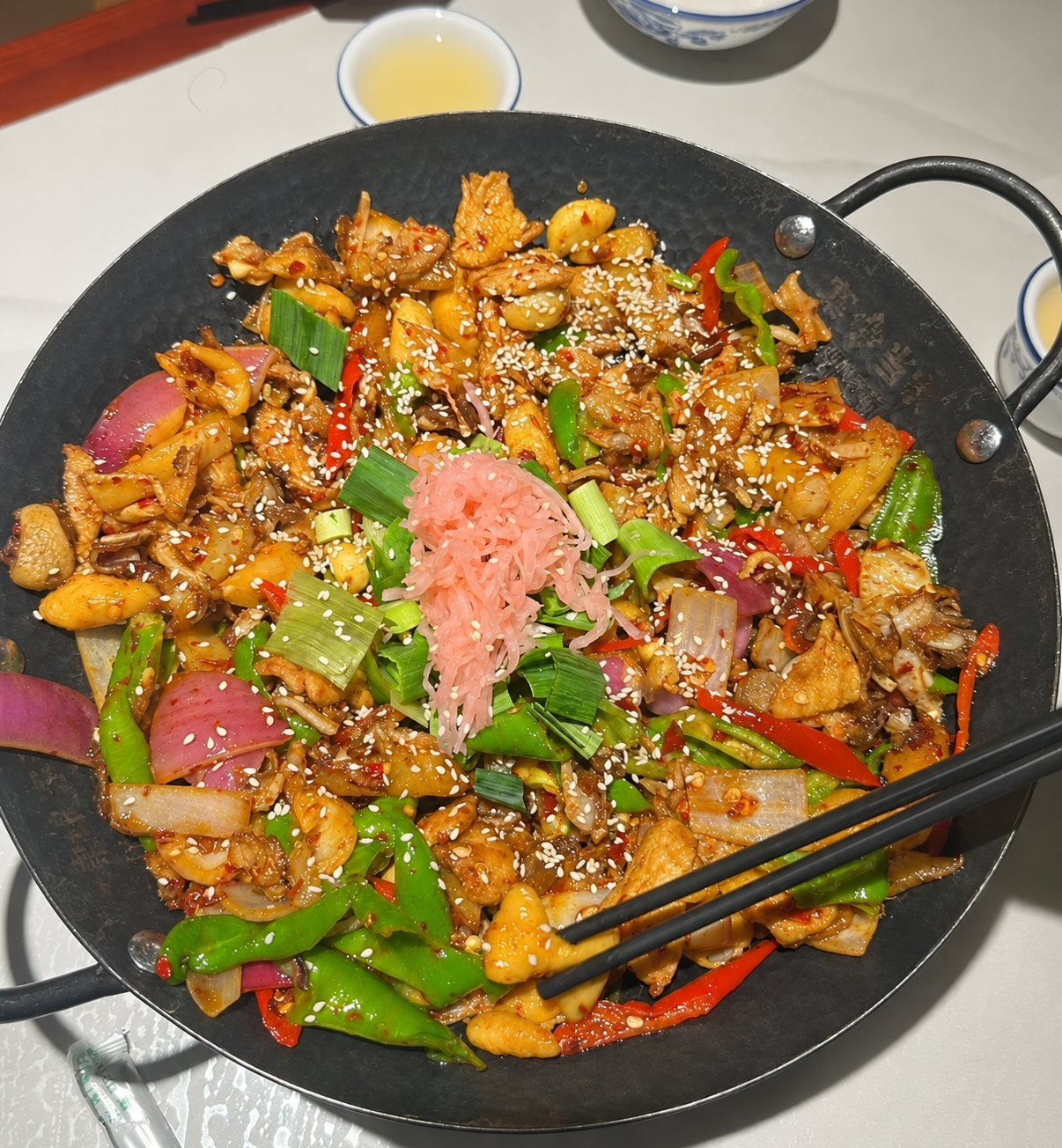
Choose a dry pot for concentrated seasoning. There is little liquid, so the meat, oil, chili and aromatics take the lead. Have rice with it and add a simpler vegetable dish for variety. A dry pot is a good choice when most of your group wants the same bold flavors.
Choose a soup pot if you prefer a broth-based meal. It gives the ingredients a different texture and lets you share the broth in individual bowls. It may be less intense than a dry version, but the amount of liquid does not tell you how much chili the kitchen uses. Ask about the base seasoning as well as the requested spice level.
Sanxiaguo is commonly served as a cooked dish, sometimes kept warm over heat at the table. If you know Chinese hot pot as a meal where diners cook trays of raw ingredients themselves, ask the server how this restaurant’s version is served. The name alone does not tell you whether any further cooking or additions are expected.
How to order without guessing
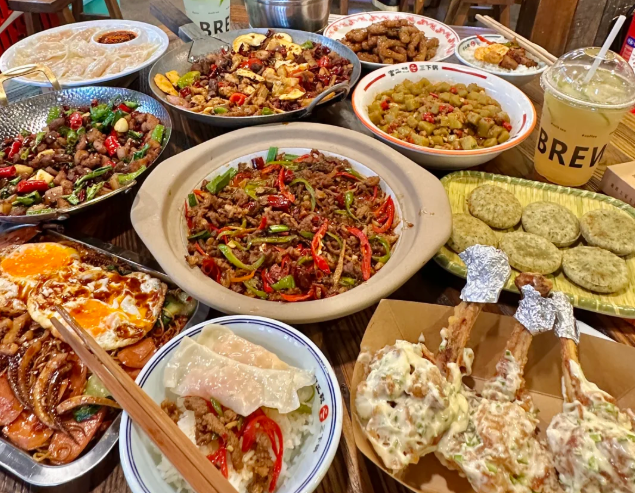
Start with the ingredients. “Which meats are in this pot?” is more useful than “Is this the local version?” If you want pork without stomach or intestine, say that clearly and ask which combination is available. Some restaurants offer choices; others prepare a fixed version.
Next, choose the style and heat. A request such as “We would like the soup version, with no chili if the base can be made that way” gives the kitchen more to work with than “not too spicy.” If a sauce or stock is already prepared, choosing another dish may be easier than adapting this one.
Finally, ask how many people the pot serves and how the price is calculated. Menus may describe portions or ingredient choices differently. Before agreeing, point to the selected items and have the server show you the total for the pot. An English menu or a translation app can help, but confirm unfamiliar cuts rather than assuming a translated meat name is exact.
Make room for a Tujia dinner
Planning your first Zhangjiajie trip? Tell us where you will stay, who is traveling and the foods you enjoy. We can discuss a dinner stop that fits your sightseeing and help you ask about ingredients.
Build a meal around the pot
For two people, ask whether one pot, rice and a vegetable side will be enough. Once you have seen the portions, decide whether to add another dish.
If cured pork is already prominent, a separate smoked-pork plate may repeat the same flavor. Leafy greens or another simply cooked vegetable offer more contrast. Ask how that side is prepared, too: a vegetable name does not establish that the dish is meat-free.
A shared pot works best when the diners want similar ingredients and heat. If one person wants plenty of chili and another wants none, separate dishes may be more enjoyable. For children, choose foods they already feel comfortable eating alongside the shared specialty, rather than making the whole dinner depend on trying it.
Fit dinner into your Zhangjiajie evening
Choose the area before chasing a famous restaurant name. Wulingyuan makes sense when you are staying near the forest park; downtown Zhangjiajie suits a city-based evening, including a stay near Tianmen Mountain. Traveling between the two just for dinner adds another journey after a day on your feet.
Leave time to sit down, look at the menu and ask questions. A private trip can include help discussing ingredients, but a guide’s explanation still needs to match what the kitchen is serving that evening. Tell your planner about important food restrictions before the day begins.
Good mountain days deserve an unhurried dinner
Share your dates, group size and food interests with TX China Tours. Mention any dietary requirements so we can discuss a private Zhangjiajie plan with evenings that suit your table.
If you want mountain scenery and time in Hunan’s historic towns, consider the 5-day Zhangjiajie, Furong and Fenghuang itinerary from TX China Tours. Discuss your evenings and dietary needs while shaping the trip.
A little background to the name
The story behind Sanxiaguo includes a local account that connects the dish with Tujia families preparing an early New Year meal before soldiers left home: cured pork, tofu and radish were cooked together to save time. Enjoy it as a food tradition rather than a proven account of the dish’s invention. Modern Sanxiaguo has many more combinations, and no visitor needs to order those three ingredients to enjoy it.
Questions before you try Sanxiaguo
Can I have it without offal?
Yes, if the restaurant lets you choose the meats. Ask for cured pork or other ordinary cuts and exclude intestines, stomach and other offal by name. Some restaurants sell a fixed combination, so choose a different pot if they cannot change it; removing the pieces after cooking is not the same as an offal-free preparation.
Is Sanxiaguo suitable for vegetarian or halal diners?
The traditional pork-based Sanxiaguo is neither vegetarian nor halal. Its stock and cooking fat may contain pork even when no pork pieces are visible. Vegetarian diners need a separately prepared meat-free dish; halal diners should choose a restaurant whose ingredients and preparation meet their requirements.
Should I choose a soup pot if I dislike chili?
A soup pot can be milder than the dry-pot version, but soup does not mean chili-free. Ask for no added chili and check whether the kitchen uses a pre-seasoned spicy base. If it does, choose another dish rather than relying on the cook to remove visible peppers.
About this guide: we checked published visitor information on 8 November 2026. This is a researched guide, not an account of a recent guided visit. Before booking, confirm the entry rules, services and dietary arrangements for your travel dates.

The company providing services to you
TX China Tours is the inbound travel brand of Hunan Tuxiang Tianxia International Travel Co., Ltd, serving international visitors to China. Your booking and travel contract are with this company, which is also responsible for arranging your tour services.