China travel inspiration
Eating in China: Halal, Vegetarian and Family Needs
Eating in China with Halal Vegetarian and Family Needs
Planning meals for a first visit from Southeast Asia · Updated 16 October 2026
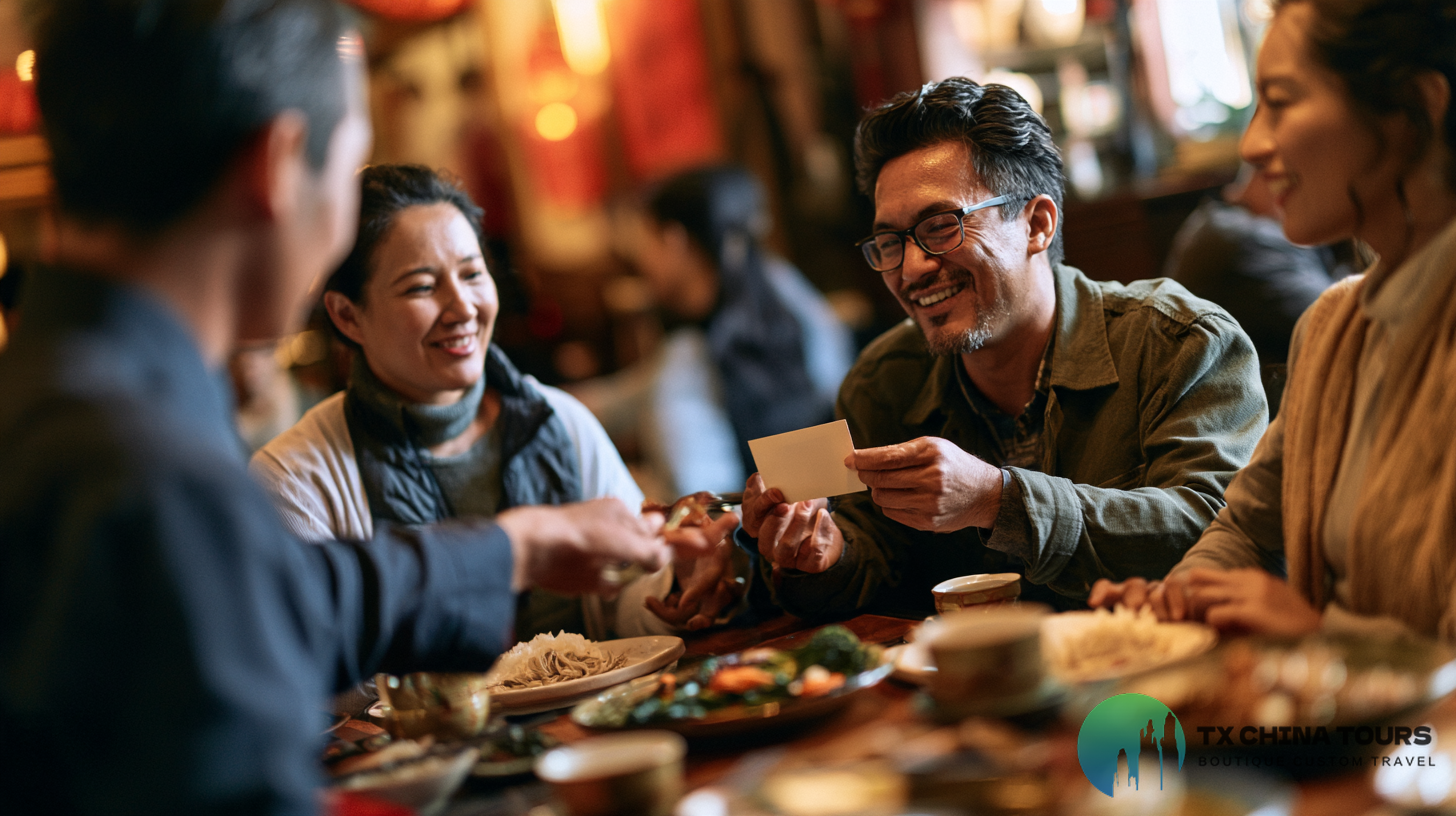
Food can be one of the pleasures of a first China trip, but the best plan starts with your group’s actual requirements. Halal dining, avoiding pork, vegetarian eating, food allergies and a child’s preference for mild flavours are different needs. Explain them separately so a restaurant or travel planner can respond accurately.
Before choosing hotels, identify suitable places for the first dinner and an easy breakfast. Then plan meal stops alongside sightseeing. A restaurant that meets your needs but is far from the day’s route may require a different schedule.
Be specific about halal requirements
Tell the organiser whether you require a halal restaurant, what certification or assurance you rely on, and whether alcohol service or preparation practices affect your choice. Avoiding pork alone does not establish that a meal meets your halal requirements.
The Chinese term Muslim, often written as qingzhen, is useful when searching for halal dining. Treat it as a starting point for asking about the actual restaurant and branch. Confirm the establishment’s status and food preparation to the standard you require; a map tag or review is not a substitute for that conversation.
Beijing’s tourism guidance, for example, identifies Donglaishun as a halal restaurant and also lists a vegetarian option, King’s Joy. These are leads for further checking, not a promise that every branch, dish or price fits your trip. Confirm the exact branch, current opening hours and suitability before booking. Beijing tourism dining guide.
If travelling beyond a major city, settle lunch arrangements before starting a long excursion. Ask whether the planned restaurant can meet your requirements, whether a suitable alternative is on the route and what happens if the original venue is closed.
Explain what vegetarian means for you
Some travellers eat eggs and dairy; others avoid both. Some also avoid onion and garlic for religious or personal reasons. Tell the kitchen which ingredients are excluded rather than relying only on the word vegetarian.
A dish that appears to be vegetables or tofu may include meat stock, lard, small pieces of meat, dried seafood, fish sauce or oyster sauce. Ask about the cooking liquid and seasoning as well as the main ingredient. A vegetable photograph does not reveal how the dish was prepared.
For a vegan meal, state that you avoid meat, fish, seafood, eggs and dairy, along with any other ingredients relevant to your practice. A dedicated vegetarian restaurant may make the discussion easier, but still confirm the individual dish and your requirements.
If several people in the group eat differently, choose a restaurant where suitable complete meals are possible for everyone. One side plate of vegetables is not an adequate plan for the person with the most restrictions.
Use simple phrases and ask for an answer
Save these phrases offline and show the ones relevant to your request. They are prompts for a conversation, not proof that a meal is suitable.
| Request or question | English note |
|---|---|
| I need halal food | Halal food request |
| Is this a halal restaurant | Restaurant status |
| I do not eat pork or lard | No pork or lard |
| Please do not add cooking wine or alcohol | No cooking wine or alcohol |
| I do not eat meat, fish or seafood | No meat, fish or seafood |
| Please do not use meat stock, oyster sauce or fish sauce | No meat stock, oyster sauce or fish sauce |
| I also do not eat eggs or dairy | No eggs or dairy |
| Please do not add chilli | No chilli |
| Please put the sauce on the side | Sauce on the side |
If the staff cannot confirm an essential requirement, choose an option that can be checked rather than interpreting a polite nod as confirmation. For an organised trip, ask the guide to communicate with the kitchen before food is prepared.
Treat allergies as a separate conversation
A preference for mild food or a no-meat request does not communicate an allergy. Explain the exact allergen, hidden ingredients and the need to avoid cross-contact. Speak with the manager or kitchen, particularly if a sauce, shared fryer or utensil could matter.
FARE provides chef-card templates, including Simplified Chinese, to communicate food allergies. Prepare the card before travelling, verify that it represents your own needs and carry more than one copy. FARE chef cards.
Follow your clinician’s advice about medicines and an emergency plan, and keep them accessible when dining. If the kitchen cannot handle the allergy, use another meal option. A translated card supports communication; it cannot guarantee the preparation conditions. FARE dining-out guidance.
Make meals easier for children
For children who prefer familiar flavours, begin with simple dishes whose ingredients you can confirm. Plain rice, a suitable noodle dish or steamed vegetables can accompany a new dish, but check sauces and stock rather than assuming a plain-looking meal meets every dietary need.
Ask for chilli separately if appropriate, and recognise that removing visible chilli does not remove seasoning already mixed into the dish. Explain the request before ordering. If the kitchen cannot adapt a dish, choose another one.
Keep meal times realistic. A child who is tired and hungry after a long attraction visit may not enjoy a long restaurant search. Identify a nearby option in advance and keep suitable snacks for a delay, purchased locally or carried in accordance with applicable entry rules.
Connect meals with hotels and travel days
Check hotel breakfast by asking about actual options, not only whether a buffet is included. A buffet with many dishes may still offer little that meets a strict requirement. Confirm whether extra breakfasts for children are included in the room rate.
For a train journey, do not rely on onboard food meeting a particular diet without confirmation. Arrange a suitable meal before departure or bring an appropriate option you have checked. On a mountain excursion, clarify where the lunch stop is and whether your food plan requires extra time or transport.
For a private tour quotation, request a description of included meals: the type of restaurant, who chooses dishes, whether drinks are included and any extra charge for special arrangements. “Meals included” is not enough information to judge suitability.
Build one meal plan for each type of day
A city sightseeing day and an intercity travel day have different opportunities to find food. On a city day, you may be able to choose a restaurant near the next attraction. On a train day, the available time and location may be much less flexible. Arrange the difficult meals first, then use the remaining meals for exploration.
For a hotel breakfast, ask about the actual items and preparation rather than treating buffet access as a dietary solution. If the available breakfast is unsuitable, compare a room-only rate with a separate meal plan. Confirm where and when the family can eat before an early departure.
| Day type | Meal to arrange first |
|---|---|
| Early flight arrival | Food available before normal restaurant service |
| Long railway journey | Suitable food that meets its storage conditions |
| Outlying attraction | Lunch without a long unplanned return to the city |
| Late hotel arrival | A confirmed kitchen time or prepared alternative |
| Flexible city day | A specific restaurant and dish the family wants to try |
Confirm the answer for the person who will eat the meal
When one relative translates for the group, involve the traveller whose requirement is being discussed. Ask the kitchen about the specific restriction and repeat the answer in plain language. Do not replace a halal requirement with no pork, or a food allergy with a general request for a simple dish.
For vegetarian meals, clarify whether eggs, dairy, fish sauce, meat stock and animal fat are acceptable to you. For children, distinguish a preference for mild flavours from an ingredient that must be avoided. These details affect whether the kitchen can offer an existing dish or needs to prepare something differently.
Keep a suitable alternative available if the answer remains uncertain. That may mean a different verified restaurant or a labelled product that meets your needs. A long list of possible restaurants is less useful than knowing how breakfast, lunch and dinner will work on the days when the family has the least flexibility.
Build the food plan before the itinerary is fixed
Send TX China Tours a clear list of dietary requirements, the assurance needed for halal meals, any allergies, children’s preferences and whether you want every meal arranged or only key stops. This helps the discussion cover suitable hotel areas, excursion lunches and realistic daily timing.
Use the hotel guide, family travel guide and budget planning guide alongside your meal plan. When food requirements are part of the route from the beginning, the family can spend less time solving lunch and more time enjoying the visit.

The company providing services to you
TX China Tours is the inbound travel brand of Hunan Tuxiang Tianxia International Travel Co., Ltd, serving international visitors to China. Your booking and travel contract are with this company, which is also responsible for arranging your tour services.