China travel inspiration
Top 10 Best Cities to Visit in China
China’s cities offer very different ways to understand the country. Beijing and Xi’an preserve the history of imperial China, Shanghai reflects its modern development, and Chengdu and Guangzhou introduce visitors to distinct regional food cultures. Further south and west, Guilin, Chongqing and other destinations reveal landscapes and urban environments that differ considerably from China’s eastern metropolitan centers.
For first-time international travelers, choosing where to go can be difficult. China’s size, regional differences and transportation network mean that visiting every major destination in one trip is rarely practical. The better approach is to select cities based on your interests, available travel time and the experiences you want to include.
This guide introduces 10 of the best cities to visit in China, covering their historical background, cultural attractions, local experiences and practical travel considerations. It also explains how several destinations can be combined into a manageable multi-city itinerary.
How to Choose the Best Cities to Visit in China
The best cities for a China trip depend on what you want to experience. Some destinations are particularly suitable for understanding Chinese history, while others are better known for regional cuisine, traditional architecture, natural scenery or contemporary urban life.
When comparing destinations, consider four factors.
- Historical and cultural significance — Cities such as Beijing, Xi’an and Suzhou offer different perspectives on China’s imperial history, architecture and traditional cultural practices.
- Local experiences — Chengdu and Guangzhou are particularly relevant for travelers interested in regional food, tea culture and everyday urban life.
- Natural surroundings — Guilin and Yangshuo provide access to karst landscapes, rivers and rural scenery, while Chongqing offers mountain geography and river landscapes within a major urban setting.
- Travel connections — Some cities are easier to combine than others. Shanghai, Suzhou and Hangzhou form a practical East China travel combination, while Beijing and Xi’an are frequently connected by high-speed rail.
The following destinations are selected for their different cultural, historical and travel characteristics rather than presented as a strict popularity ranking.
Which cities belong on your China itinerary?
Tell us which destinations interest you, how many days you have, and what you would like to experience. We can help you compare practical routes and plan a private China trip around your travel dates.
Top 10 Best Cities to Visit in China
1. Beijing – Best for Imperial History and Chinese Heritage
Beijing is the starting point for many international visitors who want to understand China’s imperial history. As the country’s capital, it contains some of the most important surviving examples of imperial architecture, ceremonial planning and traditional urban neighborhoods.
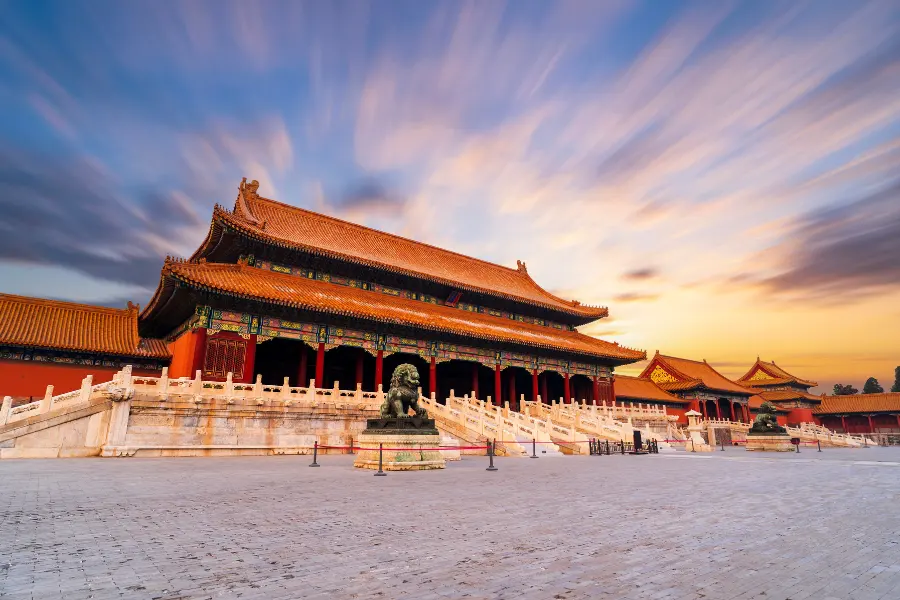
The city’s historical attractions represent different aspects of imperial life.
- The Forbidden City — Also known as the Palace Museum, this former imperial palace served as the political and residential center of China’s Ming and Qing dynasties. Its courtyards, ceremonial halls and residential buildings provide insight into the organization of the imperial court.
- The Great Wall of China — Several sections of the Great Wall can be visited from Beijing. Mutianyu is a popular option for international travelers, with restored walls, mountain scenery and cable car access.
- The Temple of Heaven — This imperial complex was used by Ming and Qing emperors for ceremonies associated with prayer for good harvests. Its circular and square architectural forms reflect traditional Chinese cosmological ideas.
- The Summer Palace — This extensive imperial garden combines lakes, hills, bridges and traditional buildings. It illustrates how landscape design was incorporated into imperial leisure spaces.
- Beijing Hutongs — These traditional alleyways and courtyard neighborhoods offer a different perspective on Beijing, focusing on residential life rather than imperial institutions.
Beijing also has a distinctive food culture. Peking duck is one of its best-known dishes, while traditional foods such as zhajiangmian and jianbing provide a broader introduction to local eating habits.
Recommended stay — 3–4 days
Allow one day for the Forbidden City and central historical district, another for the Great Wall, and additional time for the Temple of Heaven, Summer Palace or hutong neighborhoods. The Great Wall is outside the city center, so its visit requires separate transportation planning.
Spring and autumn generally offer comfortable sightseeing conditions. Beijing can be cold in winter, while summer brings higher temperatures and occasional heavy rain.
For travelers interested in combining imperial history with mountain scenery, the 7-Day Beijing and Zhangjiajie Tour provides an example of a multi-region journey.
More information is available in our Beijing destination guide.
2. Shanghai – Best for Modern China and East-West Cultural Influences
Shanghai offers a different historical perspective from Beijing. Its development as an international trading port shaped its architecture, commercial districts and cultural environment, creating a city where traditional Chinese neighborhoods stand alongside European-influenced buildings and modern skyscrapers.
The Bund is one of the clearest places to understand this development. The waterfront features historic buildings constructed during Shanghai’s period of international trade, while the opposite side of the Huangpu River displays the modern skyline of Pudong.
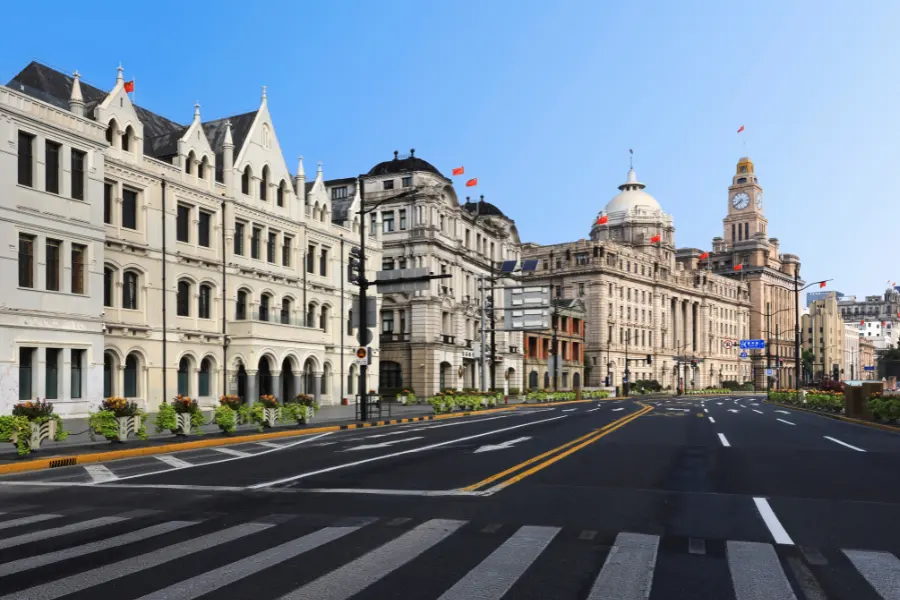
Other important attractions include:
- Yu Garden — A classical Chinese garden known for its rockeries, pavilions, ponds and traditional landscaping.
- The Bund — A historic waterfront district with views across the Huangpu River toward Pudong.
- Shanghai Tower — One of China’s most recognizable modern skyscrapers, offering views of the surrounding financial district.
- The Former French Concession — An area known for its tree-lined streets, historic residences, cafes and preserved architectural character.
- Zhujiajiao Water Town — A traditional water town outside central Shanghai, with canals, stone bridges and historic residential buildings.
Shanghai’s food culture also reflects its position as an international commercial center. Local specialties include xiaolongbao, shengjianbao and Shanghai-style braised pork, alongside regional Chinese cuisines and international dining options.
Recommended stay — 2–3 days
Two full days allow time for the Bund, Yu Garden, central neighborhoods and major museums. A third day provides an opportunity to visit Zhujiajiao or explore additional districts.
Shanghai is also a convenient base for visiting nearby East China destinations. Suzhou and Hangzhou can both be reached by high-speed rail, making them practical additions to a longer itinerary.
Our 13-Day Beijing, Suzhou, Hangzhou, Shanghai and Zhangjiajie Tour demonstrates how Shanghai can be combined with traditional Jiangnan cities and natural attractions.
See our Shanghai destination guide for more information.
3. Xi’an – Best for Ancient Chinese Civilization and the Silk Road
Xi’an is one of China’s most important historical destinations. It served as the capital of several major dynasties, including the Qin, Han and Tang, and played a significant role in the development of ancient Chinese political and cultural institutions.
Its historical importance is closely connected to the Silk Road. As the eastern starting point of major overland trade routes, ancient Chang’an, present-day Xi’an, connected China with Central Asia and other regions through centuries of commercial and cultural exchange.
The city’s main attractions include:
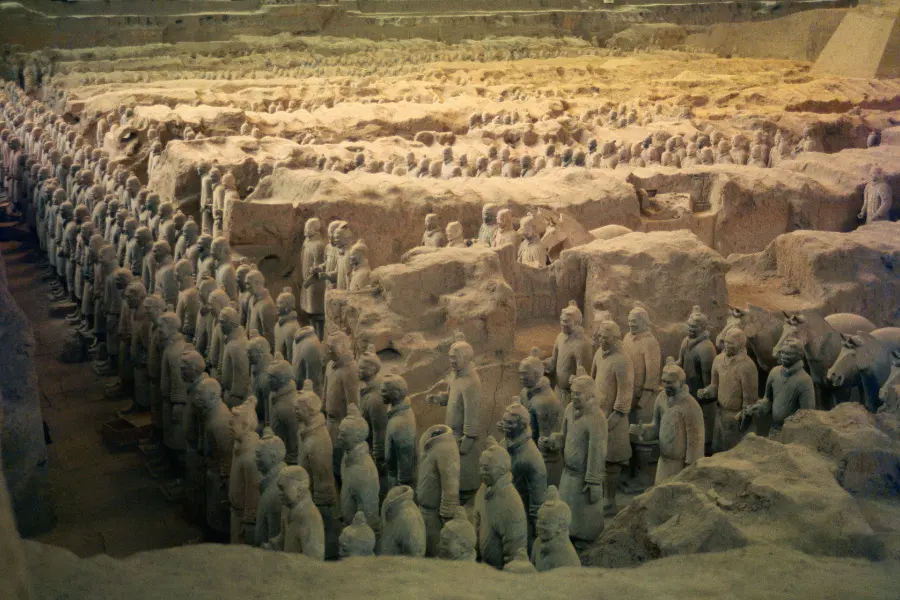
- The Terracotta Army — Thousands of life-sized clay figures were created to accompany the tomb of Qin Shi Huang, China’s first emperor. The figures differ in facial features, hairstyles and military positions, offering evidence of the organization and craftsmanship of the Qin period.
- Xi’an Ancient City Wall — One of China’s best-preserved city walls, surrounding much of the historic urban center. Visitors can walk or cycle along sections of its upper surface.
- Giant Wild Goose Pagoda — A major Buddhist landmark associated with the translation and preservation of Buddhist scriptures brought from India by the monk Xuanzang.
- Shaanxi History Museum — A useful place to understand the region’s archaeological and historical development through artifacts from different periods.
- Muslim Quarter — A historic commercial and food district where visitors can explore the culinary traditions of Xi’an’s Muslim communities.
Xi’an’s cuisine differs from the lighter food traditions of some eastern Chinese cities. Wheat-based foods are particularly common, including biangbiang noodles, roujiamo and yangrou paomo.
Recommended stay — 2–3 days
Allow a full day for the Terracotta Army because the archaeological site is outside the central urban area. Another day can cover the Ancient City Wall, Giant Wild Goose Pagoda and Muslim Quarter.
Xi’an is commonly combined with Beijing because the two cities have convenient high-speed rail connections. The 9-Day Beijing, Xi’an and Zhangjiajie Tour provides an example of combining historical sightseeing with natural landscapes.
Read more in our Xi’an destination guide.
4. Chengdu – Best for Giant Pandas, Sichuan Cuisine and Local Life
Chengdu, the capital of Sichuan Province, is known for its giant pandas, distinctive regional cuisine and established tea-house culture. Compared with Beijing and Shanghai, the city is often associated with a more relaxed approach to everyday urban life.
One of Chengdu’s main attractions is the Chengdu Research Base of Giant Panda Breeding. The facility focuses on giant panda conservation, research and breeding, allowing visitors to observe pandas in managed habitats while learning about conservation work.

Other places worth including are:
- Jinli Ancient Street — A commercial pedestrian area with traditional-style architecture, local snacks and shops.
- Wuhou Shrine — A historical site associated with Zhuge Liang and the Three Kingdoms period.
- People’s Park — A public park where visitors can observe local activities, including tea drinking, mahjong and traditional leisure practices.
- Dujiangyan Irrigation System — An ancient water-management project that continues to play an important role in regional irrigation.
- Leshan Giant Buddha — A large stone Buddha statue carved into a cliff near the confluence of three rivers. It can be visited as a longer day trip or as part of a regional journey.
Sichuan cuisine is another important reason to visit Chengdu. Dishes such as mapo tofu, kung pao chicken and Sichuan hotpot demonstrate the use of chili peppers and Sichuan peppercorns, which create different combinations of heat and numbing sensations.
Recommended stay — 2–3 days in Chengdu
Two full days are a reasonable starting point for the Panda Base, central attractions and local food experiences. Travelers interested in Dujiangyan, Mount Qingcheng or the Leshan Giant Buddha will need additional time.
Chengdu can also serve as a starting point for exploring Jiuzhaigou, Mount Emei and other destinations in Sichuan Province.
For a broader regional journey, see our 9-Day Chengdu, Emei, Leshan, Zhangjiajie and Furong Town Tour.
5. Chongqing – Best for Mountain Geography and Yangtze River Experiences
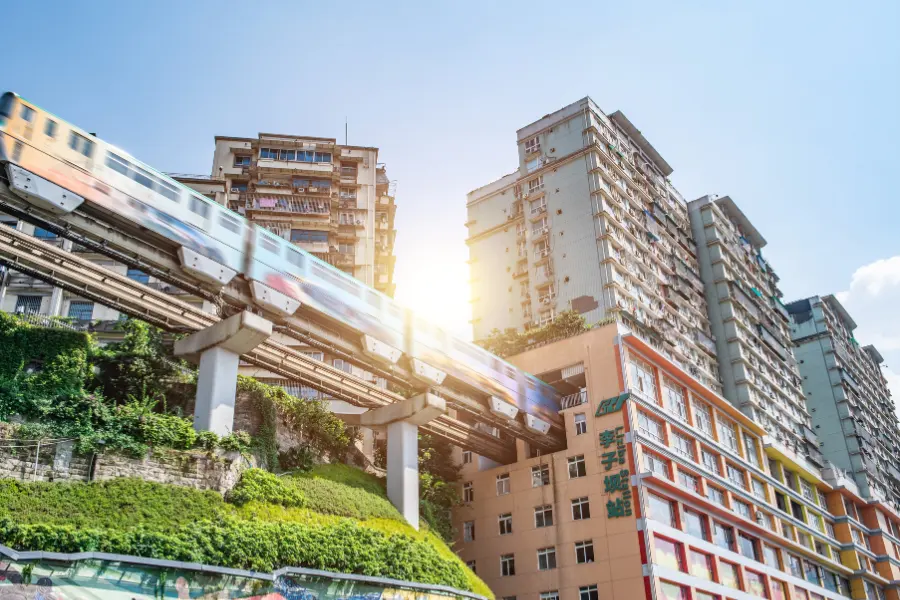
Chongqing is one of China’s most geographically distinctive major cities. Built across steep hills and river valleys, it has a layered urban layout in which roads, bridges, railways and buildings frequently occupy different elevations.
The city’s geography affects how visitors experience it. A short distance on a map can involve substantial changes in elevation, and walking routes may include stairs, slopes and elevated walkways.
Several attractions help explain Chongqing’s urban character.
- Hongyadong — A multi-level riverside complex built along a hillside, known for its traditional-style architecture and illuminated night views.
- Liziba Station — A station on Chongqing Rail Transit Line 2, where the railway passes through a residential building as part of the city’s integrated transport design.
- Jiefangbei — A central commercial district with shopping streets, restaurants and historical landmarks.
- Ciqikou Ancient Town — A historic settlement with traditional streets, shops and local food.
- Yangtze River Cruise — Chongqing is an important departure point for cruises through the Three Gorges toward Yichang.
Chongqing is also closely associated with hotpot. Its local version is known for a strong chili and Sichuan peppercorn flavor, often served in a divided or shared pot with a variety of meats, vegetables and tofu products.
Recommended stay — 2–3 days in the city
Allow time for the main urban districts, river viewpoints and local food experiences. Travelers planning to visit Wulong Karst or take a longer Yangtze River cruise will need additional days.
Spring and autumn are generally more comfortable for walking. Summer can be particularly hot and humid, which makes the city’s steep terrain more demanding for outdoor sightseeing.
Chongqing also combines naturally with Chengdu and Zhangjiajie. Our 7-Day Chongqing, Wulong, Zhangjiajie and Furong Town Tour connects the mountain city with nearby natural and cultural destinations.
6. Hangzhou – Best for West Lake, Tea Culture and Jiangnan Heritage
Hangzhou, the capital of Zhejiang Province, is known for West Lake, traditional gardens and Longjing tea culture. It was also the capital of the Southern Song Dynasty, giving the city an important place in China’s historical development.
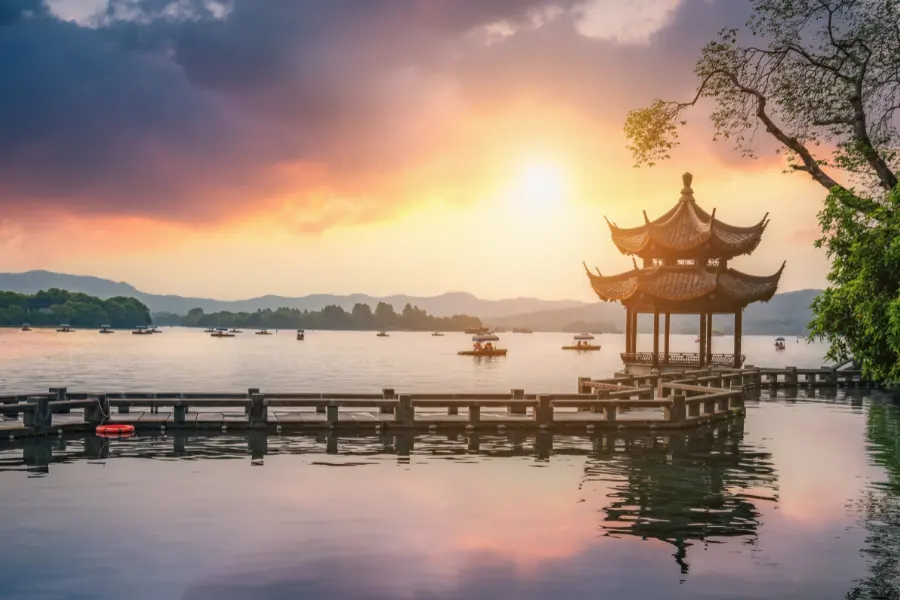
The West Lake Cultural Landscape is the city’s best-known attraction. Its lakeside causeways, pagodas, temples, bridges and gardens reflect traditional Chinese approaches to landscape design, in which natural scenery and constructed features are intended to complement one another.
Other places to explore include:
- Lingyin Temple — A major Buddhist temple surrounded by forested hills and historical Buddhist stone carvings.
- Longjing Tea Village — A tea-growing area known for Dragon Well tea, one of China’s best-known green teas.
- Six Harmonies Pagoda — A historic pagoda overlooking the Qiantang River, originally associated with river navigation and protection.
- China National Tea Museum — A museum introducing the history, production and cultural role of Chinese tea.
Hangzhou’s food culture includes dishes such as Dongpo pork, West Lake fish in vinegar sauce and Longjing shrimp. These dishes reflect the region’s use of freshwater ingredients, tea and relatively delicate seasoning.
Recommended stay — 2 days
Two days allow time for West Lake, Lingyin Temple and a visit to a tea-growing area. Travelers interested in exploring nearby water towns or combining Hangzhou with Suzhou can extend their stay.
Spring and autumn generally provide comfortable conditions for walking around West Lake and visiting tea plantations. Summer can be hot and humid, while spring may bring periods of rain.
Hangzhou is particularly convenient to combine with Suzhou and Shanghai. Our 13-Day Beijing, Suzhou, Hangzhou, Shanghai and Zhangjiajie Tour includes all three East China destinations.
7. Guangzhou – Best for Cantonese Cuisine and Lingnan Culture
Guangzhou, the capital of Guangdong Province, is an important commercial and cultural center in southern China. Its history as a major trading port has influenced its architecture, food traditions and connections with overseas Chinese communities.
The city’s identity is closely associated with Lingnan culture, a regional tradition that developed in southern China and has distinctive architectural, artistic and culinary characteristics.
Important attractions include:
- Shamian Island — A historic area known for its preserved European-style buildings, tree-lined streets and former foreign trading settlements.
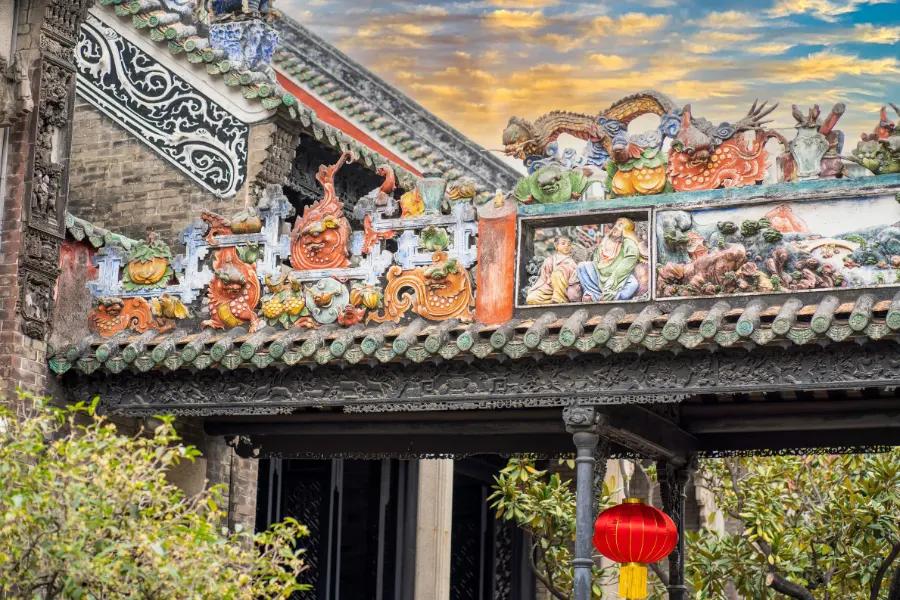
- Chen Clan Ancestral Hall — A traditional architectural complex featuring detailed wood carvings, stone sculptures, ceramics and decorative roof designs.
- Canton Tower — One of Guangzhou’s most recognizable modern landmarks, overlooking the Pearl River.
- Yuexiu Park — A large urban park containing historical landmarks, including the Five Rams Sculpture.
- Temple of the Six Banyan Trees — A historic Buddhist temple known for its distinctive Flower Pagoda.
Food is central to the Guangzhou travel experience. Cantonese cuisine emphasizes fresh ingredients, steaming, roasting and carefully controlled seasoning.
Dim sum is particularly associated with local tea-house culture. Traditionally enjoyed with tea, it includes small dishes such as shrimp dumplings, steamed buns and rice rolls.
Recommended stay — 2 days
Two full days provide time for the main historical districts, architectural attractions and local food experiences. Visitors interested in nearby Foshan or other Pearl River Delta destinations may want to allow additional time.
Guangzhou has a subtropical climate with hot, humid summers and milder winters. Autumn and winter are generally more comfortable for outdoor sightseeing.
8. Suzhou – Best for Classical Chinese Gardens and Canal Towns
Suzhou, located in Jiangsu Province, is one of the most important destinations for understanding classical Chinese garden design. Its historic center developed around canals, waterways and traditional residential districts, creating an urban environment closely connected to the Jiangnan cultural region.
The city is particularly known for its classical gardens. These spaces were designed to recreate natural landscapes within relatively small areas through carefully arranged rocks, water, plants, buildings and viewing points.
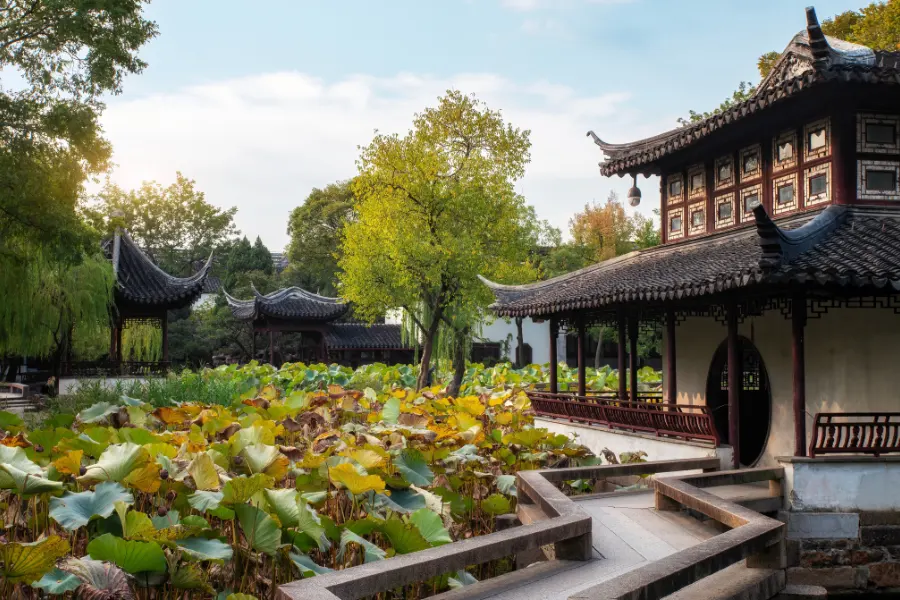
Major attractions include:
- Humble Administrator’s Garden — One of Suzhou’s most important classical gardens, known for its ponds, bridges, pavilions and carefully arranged landscape views.
- Lingering Garden — A classical garden recognized for its architectural details, spatial arrangement and collection of rocks.
- Tiger Hill — A historical site featuring the Yunyan Pagoda, which is often associated with the city’s ancient history.
- Pingjiang Road — A historic canal-side street with traditional residences, small bridges, shops and local restaurants.
- Suzhou Museum — A museum combining traditional garden influences with contemporary architectural design.
Suzhou is also known for its silk production and Suzhou embroidery, both of which have long histories in the region. These crafts provide a different cultural perspective from the imperial architecture of Beijing or the Buddhist heritage of Xi’an.
Recommended stay — 1–2 days
One full day can cover the main classical gardens and historic streets, while two days allow a slower visit and additional time for museums or nearby water towns.
Suzhou is particularly convenient to combine with Shanghai and Hangzhou because of their rail connections. It is an appropriate addition for travelers interested in gardens, traditional architecture and Jiangnan culture.
Our 13-Day Beijing, Suzhou, Hangzhou, Shanghai and Zhangjiajie Tour offers one example of combining these destinations.
9. Guilin and Yangshuo – Best for Karst Landscapes and Rural Scenery
Guilin, in Guangxi Zhuang Autonomous Region, is widely recognized for its limestone karst landscapes. Thousands of distinctive hills rise above rivers, agricultural land and rural settlements, creating a landscape that differs significantly from the dense urban environments of eastern China.
The Li River is central to the region’s scenery. Its winding course connects Guilin with Yangshuo, passing through limestone peaks, villages and agricultural areas.
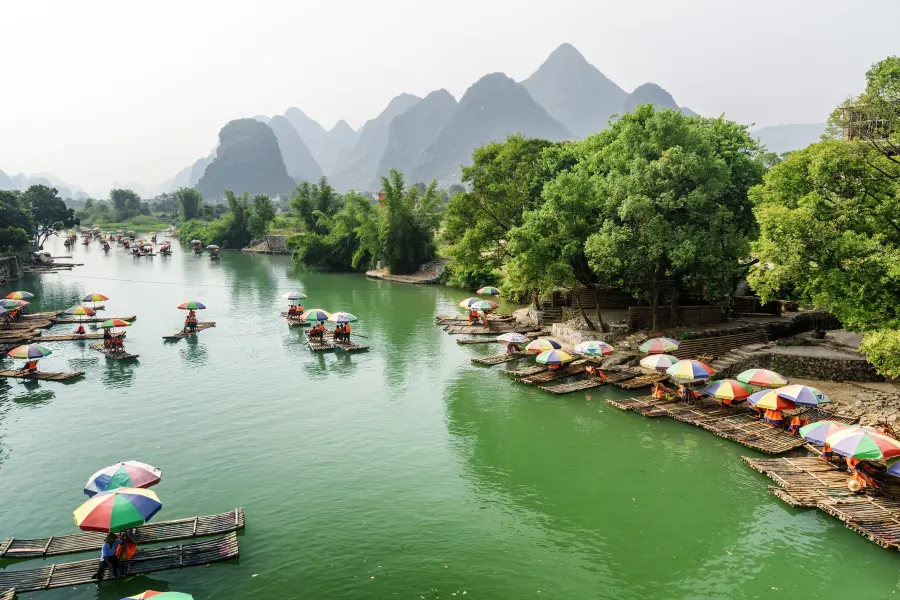
The main attractions include:
- Li River Cruise — A scenic journey between Guilin and Yangshuo, offering views of the region’s characteristic karst formations.
- Yangshuo Countryside — An area of rural roads, rice fields, riverside villages and limestone hills suitable for cycling and outdoor exploration.
- Yulong River — A smaller river known for its bamboo raft experiences and quieter rural scenery.
- Longji Rice Terraces — Terraced agricultural landscapes in Longsheng, where the hillsides have been shaped by generations of farming communities.
- Reed Flute Cave — A natural limestone cave known for its underground formations.
Yangshuo is particularly useful for travelers who want to spend more time in the countryside rather than remaining in central Guilin. Cycling, walking and bamboo rafting provide different ways to explore the surrounding landscape.
The Longji Rice Terraces offer another perspective on the region. Their appearance changes with the agricultural season, from water-filled terraces during planting periods to green crops in summer and golden fields around harvest time.
Recommended stay — 3–4 days
Allow one day for the Li River journey, one or two days for Yangshuo and an additional day for Longji if you want to visit the terraces. Travel between these areas requires separate transportation arrangements.
Spring and autumn are generally suitable for outdoor sightseeing, although rain and river conditions can affect activities. Summer is hot and humid but brings lush vegetation.
For travelers interested in combining different natural landscapes, the 12-Day Beijing, Xi’an, Zhangjiajie and Guilin Tour includes Guilin within a broader China itinerary.
10. Shenzhen – Best for Technology and Contemporary Urban Development
Shenzhen offers a relatively recent chapter in China’s urban development. Located in Guangdong Province near Hong Kong, it developed rapidly after becoming one of China’s first Special Economic Zones in 1980.
Its transformation from a smaller settlement into a major metropolitan and technology center makes it an interesting destination for visitors who want to understand contemporary China’s economic development.
Unlike Beijing or Suzhou, Shenzhen is not primarily known for ancient imperial landmarks. Its attractions are more closely connected to modern architecture, technology, creative industries and urban planning.
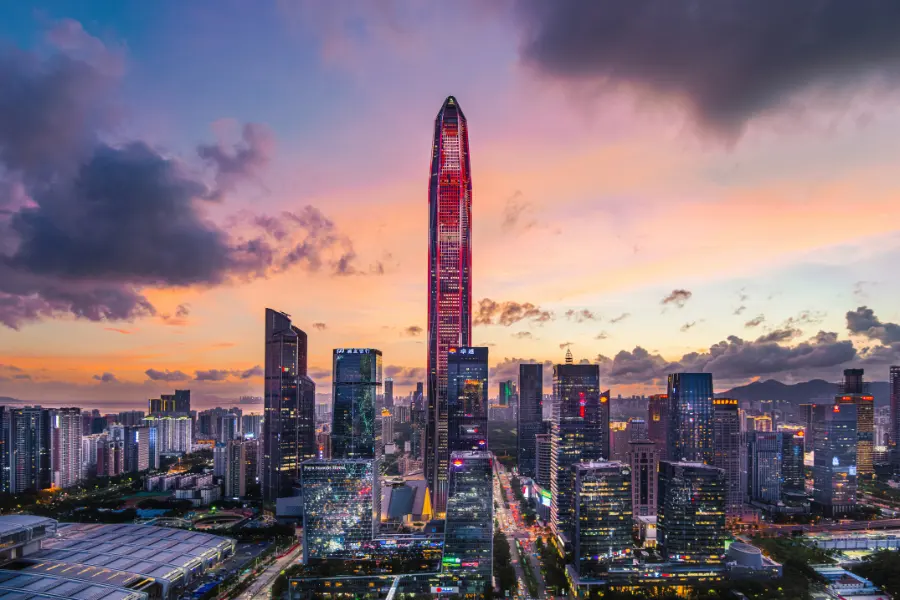
Places worth exploring include:
- Civic Center — A major administrative and cultural area with distinctive contemporary architecture.
- Huaqiangbei — A well-known electronics commercial district where visitors can explore the city’s technology and component trading industries.
- Dafen Oil Painting Village — An artistic district associated with painting workshops, galleries and art production.
- OCT-LOFT Creative Culture Park — A former industrial area adapted for creative businesses, exhibitions, galleries and cultural activities.
- Dameisha Beach — A coastal recreational area offering a different environment from Shenzhen’s central business districts.
Shenzhen’s proximity to Hong Kong also makes it relevant for travelers exploring the Pearl River Delta. Cross-border travel requires appropriate immigration arrangements, so visitors should check their entry requirements and transportation options before planning a combined journey.
Recommended stay — 1–2 days
One or two days are generally sufficient for a city-focused visit, depending on whether your interests are concentrated on technology, architecture, shopping or coastal areas.
Autumn and winter are usually more comfortable for outdoor sightseeing. Summer can be hot, humid and rainy.
Shenzhen is best suited to travelers interested in contemporary urban development rather than those whose main priorities are ancient architecture or traditional Chinese heritage.
How to Combine China’s Best Cities in One Trip
China’s major cities are spread across different geographical regions. A practical itinerary needs to consider transportation connections, sightseeing time and the distance between destinations.
Rather than trying to visit all 10 cities in one journey, most first-time visitors will benefit from selecting three to five destinations that share a geographical or cultural connection.
Here are four possible combinations.
Beijing, Xi’an and Shanghai for a First Introduction to China
This combination introduces three different aspects of Chinese history and urban development.
- Beijing — Imperial architecture, the Great Wall and traditional neighborhoods.
- Xi’an — Ancient capitals, the Terracotta Army and Silk Road history.
- Shanghai — International trade history, modern architecture and contemporary urban life.
High-speed rail makes Beijing and Xi’an a practical combination. Shanghai can be added through a separate rail or flight connection, depending on the overall itinerary.
Shanghai, Suzhou and Hangzhou for Jiangnan Culture
These three destinations are suitable for travelers interested in classical gardens, traditional architecture, canals and lakeside scenery.
Shanghai provides an introduction to modern urban China, while Suzhou and Hangzhou offer a closer look at Jiangnan’s historical landscapes and cultural traditions.
Their relatively convenient rail connections make this combination suitable for travelers who prefer fewer long-distance transfers.
Chengdu and Chongqing for Southwestern China
Chengdu and Chongqing offer contrasting urban experiences within southwestern China.
Chengdu is associated with giant pandas, Sichuan cuisine and tea-house culture, while Chongqing is known for its mountainous layout, river scenery and distinctive transport infrastructure.
Travelers with additional time can extend the journey to Jiuzhaigou, Wulong or Zhangjiajie.
See our 12-Day Chengdu, Jiuzhaigou, Chongqing and Zhangjiajie Tour for an example of a longer regional journey.
Beijing, Xi’an, Guilin and Zhangjiajie for History and Nature
This combination is suitable for travelers who want both historical landmarks and natural scenery.
Beijing and Xi’an introduce different periods of Chinese history, while Guilin and Zhangjiajie offer contrasting natural environments.
Guilin is known for limestone karst peaks and river scenery, while Zhangjiajie is characterized by tall quartz-sandstone formations and forested mountain landscapes.
Our 12-Day Beijing, Xi’an, Zhangjiajie and Guilin Tour provides an example of this combination.
When Is the Best Time to Visit China’s Major Cities?
China has a wide range of climates, so there is no single best travel season for every destination.
Spring and autumn are generally suitable for sightseeing in many parts of the country, but regional conditions differ.
| Region and destinations | Generally suitable periods | Travel considerations |
|---|---|---|
| Beijing and Xi’an | April–May and September–October | Comfortable temperatures for historical sites and outdoor sightseeing |
| Shanghai, Suzhou and Hangzhou | March–May and September–November | Suitable for gardens, lakeside walks and city exploration |
| Chengdu and Chongqing | March–May and September–November | More comfortable conditions for walking and regional sightseeing |
| Guangzhou and Shenzhen | October–April | Generally more comfortable than the hot, humid summer months |
| Guilin and Yangshuo | April–May and September–October | River conditions and rainfall can affect outdoor activities |
These are general seasonal guidelines rather than guarantees of specific weather conditions. Travelers planning outdoor activities should also consider rainfall, visibility and local attraction operating arrangements.
Practical Travel Tips for Visiting China
Planning a trip to China involves several practical considerations beyond selecting destinations.
Plan Transportation Between Cities
China has an extensive high-speed rail network connecting many major cities. However, not every destination is equally convenient to reach by train.
For example, Beijing and Xi’an have direct high-speed rail services, while visiting Guilin’s countryside attractions requires additional local transportation.
When planning a multi-city itinerary, consider the complete journey from one hotel to the next rather than comparing railway stations alone.
Check Attraction Reservations in Advance
Some major attractions operate with reservation systems, visitor limits or specific admission arrangements.
The Palace Museum in Beijing and the Terracotta Army in Xi’an are examples of sites where admission arrangements should be checked before arrival.
Travelers should confirm the latest ticketing rules, opening hours and identification requirements before their visit.
Prepare Digital Payment and Navigation Options
Mobile payment platforms such as Alipay and WeChat Pay are widely used in China. International visitors can check the latest overseas card support and account verification requirements before departure.
It is also useful to prepare navigation applications, translation tools and offline travel information. Internet access and the availability of some international applications differ from what visitors may be accustomed to in their home countries.
Allow Enough Time for Regional Travel
A city name does not always represent the full geographical area that visitors want to explore.
Guilin and Yangshuo, for example, involve travel between different towns and scenic areas. Similarly, visiting the Great Wall from Beijing requires transportation outside the central city.
Building these transfers into the itinerary helps avoid scheduling too many attractions within a single day.
Conclusion
The best cities to visit in China depend on the type of journey you want to experience. Beijing and Xi’an provide important historical context, Shanghai and Shenzhen show different stages of modern urban development, and Chengdu and Guangzhou offer distinctive regional food cultures. Suzhou and Hangzhou introduce Jiangnan traditions, while Guilin and Chongqing provide different ways to explore China’s natural and geographical diversity.
For a first trip, choosing three to five destinations with practical transportation connections is a reasonable starting point. Travelers with more time can extend their journey into nearby regions rather than trying to cover every major city in one visit.
A well-planned China itinerary should account for the distance between destinations, the time needed at major attractions and the interests of everyone in the travel group. These considerations help create a journey that offers a broader understanding of China without making the schedule unnecessarily demanding.
FAQs
What Are the Best Cities to Visit in China for First-Time Travelers?
Beijing, Xi’an and Shanghai are a practical starting point for first-time visitors. Together, they introduce imperial history, ancient Chinese civilization and modern urban development. Travelers with more time can add Chengdu for panda conservation and Sichuan cuisine, or Guilin for karst landscapes and rural scenery.
How Many Cities Should I Visit During a China Trip?
For a trip of around 10 to 14 days, three to five destinations can provide a reasonable balance between sightseeing and transportation. The appropriate number depends on geographical distances, the attractions you want to visit and your preferred travel pace. Visiting fewer cities with sufficient time at each destination is often more practical than changing hotels every day.
Which Chinese Cities Are Best for History and Culture?
Beijing, Xi’an and Suzhou are particularly relevant for travelers interested in Chinese history and traditional architecture. Beijing focuses on imperial institutions and ceremonial architecture, Xi’an offers insights into ancient dynasties and Silk Road exchange, while Suzhou is known for classical gardens and Jiangnan cultural traditions.
Which Cities Are Best for Natural Scenery?
Guilin and Yangshuo are known for limestone karst landscapes and river scenery. Chongqing provides access to the Yangtze River and Wulong Karst, while Chengdu can serve as a starting point for exploring Jiuzhaigou and other natural destinations in Sichuan.
Is It Easy to Travel Between Major Cities in China?
Many major cities are connected by high-speed rail, making intercity travel relatively convenient. However, some destinations require additional flights, road transfers or local transportation. Travel time should include station transfers, security checks and the distance between accommodation and attractions.
Can I Combine Several Chinese Cities in One Private Tour?
Yes. A private tour can connect several destinations according to your travel dates, interests and preferred pace. Routes can combine historical cities such as Beijing and Xi’an with destinations such as Chengdu, Guilin, Chongqing or Zhangjiajie. The best combination depends on geographical connections and the time available.

The company providing services to you
TX China Tours is the inbound travel brand of Hunan Tuxiang Tianxia International Travel Co., Ltd, serving international visitors to China. Your booking and travel contract are with this company, which is also responsible for arranging your tour services.