China travel inspiration
What to Pack for Your First Winter in China
What to Pack for Your First Winter Trip to China
China Highlights Zhangjiajie Custom Private China Tours For travellers from Southeast Asia · Seasonal information checked 19 October 2026

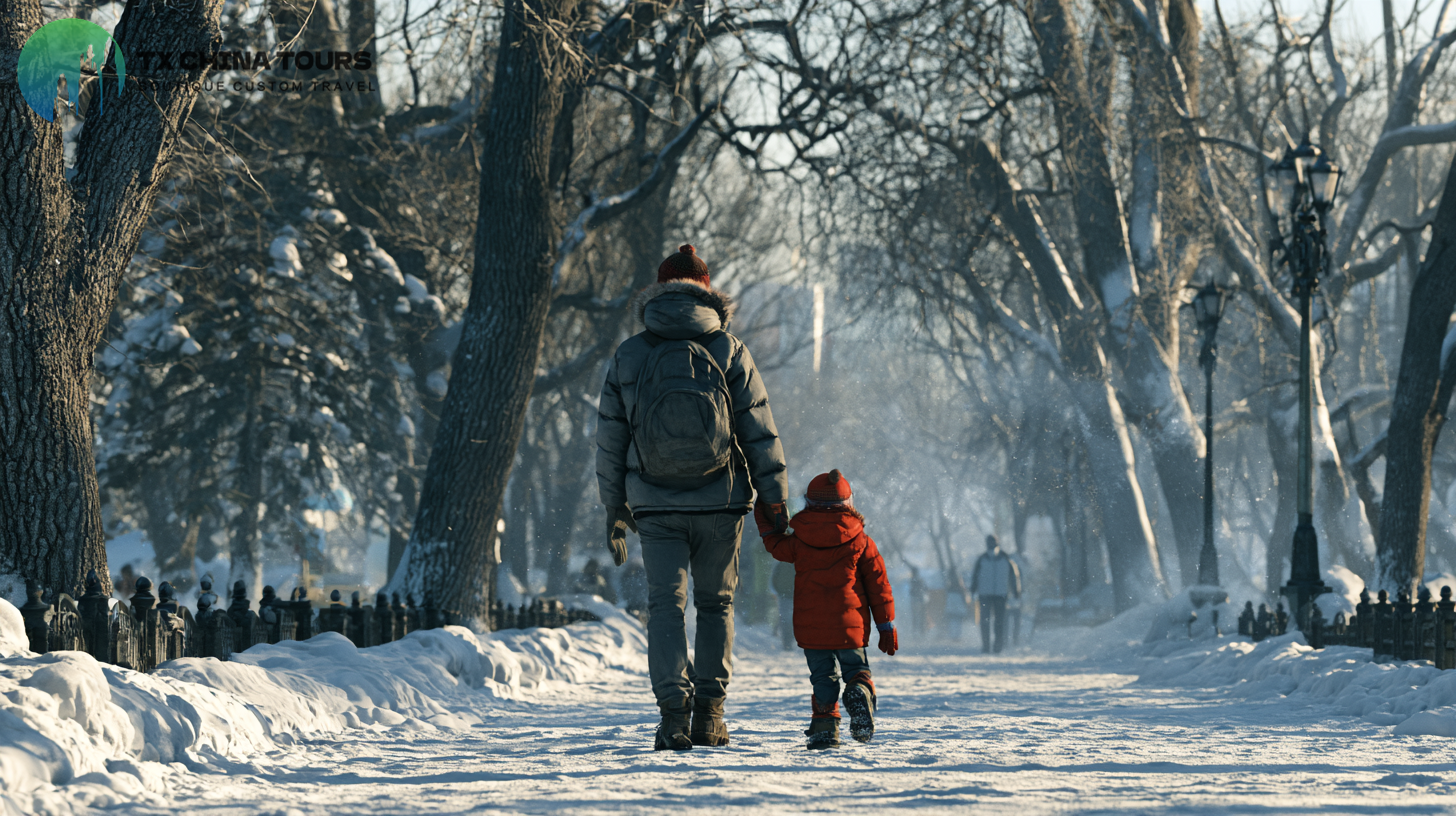
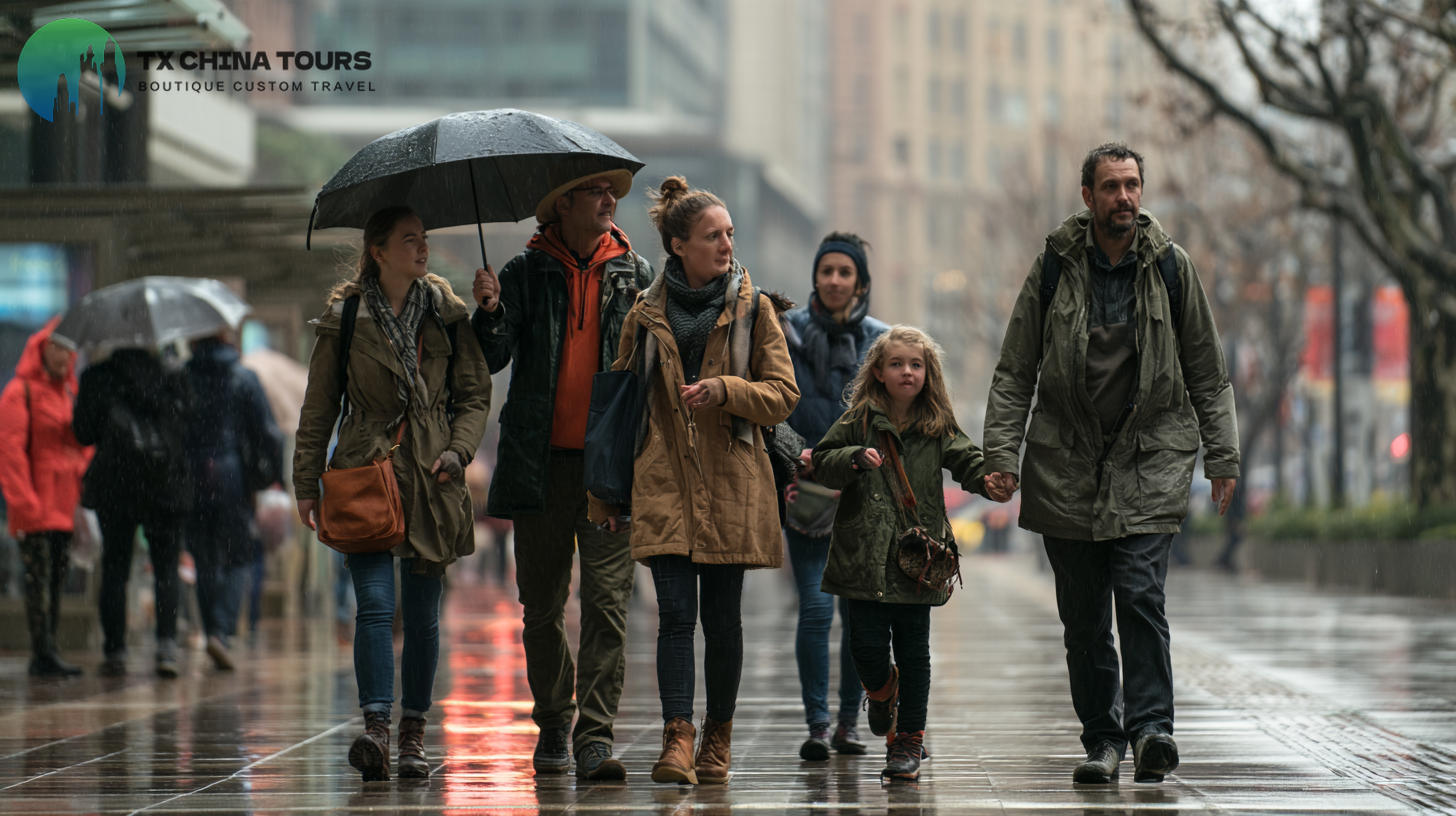
Pack for the coldest activity in your itinerary, then adjust for the rest of the trip. A January evening outdoors in Harbin, a damp afternoon in Shanghai and a December city break in Guangzhou require different clothing. “China in winter” is too broad to be a useful packing category.
Before buying anything, write down your destinations, travel month, time outdoors and whether you will visit mountains or snow attractions. Use that list to decide how much insulation, rain protection and footwear you need.
Match your clothing to the destination
China Highlights Zhangjiajie Custom Private China Tours The table gives starting points for ordinary sightseeing. It is not a forecast or a guarantee that a particular outfit will keep every traveller comfortable.
| Destination and period | What to plan around | Clothing starting point |
|---|---|---|
| Harbin in December–February | Prolonged freezing conditions and very cold outdoor evenings | Thermal base layers, substantial insulation, wind protection, insulated boots, hat, gloves and neck coverage |
| Beijing in December–February | Cold, dry weather and exposure to wind | Warm layers, a wind-resistant insulated coat, covered extremities and suitable closed shoes or boots |
| Shanghai and Hangzhou in December–February | Damp cold, wind and possible rain | Warm removable layers, weather protection and shoes that keep feet dry |
| Guangzhou in November–February | Generally milder conditions, with changes during cold spells | Long trousers, shirts, a sweater or fleece and an adaptable jacket; increase warmth if forecast lows require it |
| Mountain excursions in the winter months | Conditions at the attraction's elevation, including wind, ice or closures | Choose from the local mountain forecast and operator advice, with footwear appropriate to the route |
Beijing's official climate description identifies cold, dry winters. Shanghai's seasonal guide describes damp winter conditions and a coldest period commonly around late January to early February. These are different packing problems even before personal cold tolerance is considered. Beijing climate information, Shanghai seasonal guide.
Guangzhou has a warmer subtropical climate, but local authorities also publish cold-weather warnings. A visitor from a tropical climate should still check the forecast instead of packing only summer clothes. Guangzhou climate information.
Adjust again for the month
November: Treat northern destinations and southern cities separately. Prepare for cold mornings and evenings in the north, while checking whether a heavy coat would be unnecessary for your southern itinerary. Mountain conditions can differ from the nearest city.
December: Build your packing around the whole day's exposure. A warm lunchtime does not determine what you need for an evening viewpoint or a long outdoor queue.
January and February: For a northern winter holiday, prepare the full outfit before arrival. Do not assume that a light fashion coat bought for an air-conditioned room at home is enough for snow sightseeing. Harbin can experience severe cold spells; a January 2026 China Weather report, for example, warned of temperatures potentially falling below minus 30°C. That historical warning illustrates the possible severity, not a prediction for your travel dates. China Weather cold-spell report.
March: Do not assume the whole country has become warm. Keep northern and mountain clothing decisions tied to the actual forecast, while using removable layers for a route that also includes warmer cities.
Build an outfit in layers
Start with a comfortable base layer, add insulation such as fleece or a sweater, and use an outer layer suited to wind and precipitation. The right combination should let you remove a layer in a warm train or restaurant without becoming uncomfortable outdoors.
For Harbin snow outings, pay attention to your legs and feet as well as the coat. Warm trousers or a thermal layer under suitable outer trousers may be necessary. Choose boots with enough room for warm socks without squeezing your feet, and test them before the holiday.
For Shanghai or Hangzhou, keeping shoes and outer layers dry may be more useful than carrying the bulkiest possible coat. For Guangzhou, lighter pieces that combine well are often more adaptable, unless the forecast calls for a colder spell.
China's tourism ministry advises wind-protective warm clothing, gloves, ear protection and warm footwear with grip for ice and snow tourism. Official ice and snow travel guidance.
Pack for the activity as well as the temperature
Standing still at an illuminated ice attraction feels different from walking steadily through a city. Add warmth for long queues, photography stops and evening activities. For an exposed scenic area, inspect the wind forecast as well as the air temperature.
Snow play calls for clothing that tolerates contact with snow and spare dry gloves or socks. Skiing needs equipment appropriate to the sport; ordinary city winter clothes should not be assumed suitable. Check what a rental package includes, its sizes and collection arrangements before travel.
A cable car does not remove the outdoor parts of a mountain visit. Check the route beyond the station, current operation notices and the possibility of ice on paths. Choose a different activity if the conditions do not suit your family.
A practical packing example for one week
For a seven-day Beijing city holiday in January, a starting list is two or three base-layer sets, two interchangeable mid-layers, one suitable insulated coat, two pairs of trousers that work with thermal layers, warm socks, gloves, a hat and neck coverage. Adjust quantities around laundry access and the forecast.
For a Shanghai and Hangzhou week, use a similar layered wardrobe but prioritise rain protection and footwear that can handle wet pavements. For a Harbin-focused week, upgrade insulation, hand protection and boots rather than simply adding more ordinary shirts.
Keep the clothing needed immediately on arrival in your cabin bag, within airline allowances. You may need it before opening your checked suitcase. Carry a spare dry set for children during snow activities.
Decide what to buy and what to rent
Buy or borrow the items whose fit you need to test: shoes, base layers and everyday gloves are good examples. If considering rental outerwear, confirm availability, sizes, cleaning, deposit, collection time and return arrangements in advance.
Renting may make sense for a short specialised activity, but do not depend on a shop being open after a late landing. Arrive with enough suitable clothing to reach your accommodation comfortably.
Before spending on a full extreme-cold wardrobe, ask whether that climate is what your group wants. If parents or young children mainly want a gentle seasonal change, a milder city holiday may fit better than several outdoor evenings in Harbin.
Try the complete outfit before a long outdoor day
Check the layers together, including socks and footwear. Shoes that fit with thin socks may become uncomfortable with a thicker pair, while gloves that are difficult to remove can make ordinary tasks awkward. Children and older travellers should be able to move comfortably and use the toilet without a complicated change of clothing.
Keep a dry spare layer where it can be reached during the outing. A warm item buried in a suitcase at the hotel does not help after clothing becomes wet. Plan where the family can go indoors and how to leave early if the conditions are more demanding than expected.
| Part of the day | Clothing decision |
|---|---|
| Arrival transfer | Keep needed warm layers in accessible luggage |
| Outdoor sightseeing | Choose protection for wind, moisture and standing time |
| Heated indoor stop | Use layers that can be removed without difficulty |
| Snow activity | Confirm suitable equipment and footwear requirements |
| Return to the room | Allow time to dry permitted items before the next outing |
Compare rental inclusions before packing less
If an activity advertises clothing or equipment rental, ask exactly what is included and whether the required sizes can be reserved. Confirm socks, gloves, footwear, helmets and lockers separately where relevant. A rental ski package should not be assumed to supply everything a visitor needs for an entire winter holiday.
For a late arrival, bring enough appropriate clothing to reach the hotel comfortably. Do not depend on an airport shop or a particular store being open in the right size. If buying extra items locally, allow time in the programme rather than putting shopping between two fixed activities.
Check luggage and battery rules for every transport segment. A suitcase suitable for the international flight may still be difficult to manage on a train, and an item accepted by one operator may be restricted by another. Pack for the coldest planned activity, then remove unnecessary duplicates so the family can handle the bags as well as the weather.
Check conditions at three useful points
Check the forecast about a week before departure to finalise packing, again shortly before flying to adjust layers, and each morning before an outdoor outing. Look at overnight lows, daytime highs, wind, rain or snow, and attraction notices. For mountain days, check the attraction's location rather than only the city centre.
Share your dates, cities and outdoor activities with TX China Tours when planning the route. A clothing recommendation becomes useful once the itinerary shows where you will be, how long you will be outside and when you can warm up indoors. If children are travelling, the family itinerary guide also helps balance outdoor activities with warm-up and rest breaks.

The company providing services to you
TX China Tours is the inbound travel brand of Hunan Tuxiang Tianxia International Travel Co., Ltd, serving international visitors to China. Your booking and travel contract are with this company, which is also responsible for arranging your tour services.