China travel inspiration
Top 10 Best Places to Visit in China
China’s best travel destinations range from historic imperial capitals and modern cities to mountain landscapes, traditional gardens and culturally distinct regions. These places represent different aspects of the country’s history, geography and regional traditions.
Choosing where to visit depends on the experiences you want and the time available. Beijing and Xi’an provide access to major imperial and archaeological sites, while Shanghai illustrates China’s modern urban development. Guilin, Zhangjiajie and Huangshan offer distinct natural landscapes, and Yunnan, Sichuan and the Jiangnan region provide opportunities to explore local cultures and historic settlements.
This guide covers 10 of the best places to visit in China, including cities, scenic regions and cultural destinations. Each section explains the main attractions, historical or geographical significance, recommended visit duration and practical considerations for combining destinations.
Which places would you like to explore in China?
From imperial cities and classical gardens to mountain landscapes and regional cultures, tell us which destinations interest you. We can help connect them into a private itinerary based on your travel dates, interests and available time.
1. Beijing – Explore China’s Imperial History
Beijing served as the capital of several Chinese dynasties, including the Yuan, Ming and Qing. Its historic buildings and urban layout preserve important evidence of imperial government, ceremonial practices and traditional Chinese city planning.
The Forbidden City, now known as the Palace Museum, served as the imperial palace of the Ming and Qing dynasties from 1420 until the end of the Qing imperial system in 1912. Its sequence of gates, courtyards and ceremonial halls reflects the hierarchy of the imperial court.
Top Attractions in Beijing
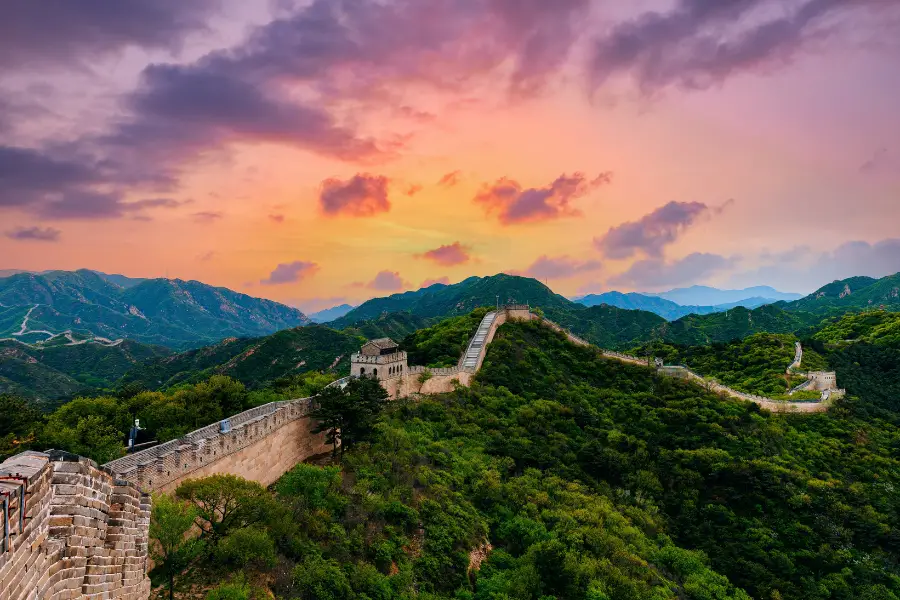
- The Great Wall of China – Built and expanded during different historical periods, the Great Wall formed part of China’s northern defensive system. Sections near Beijing, including Mutianyu and Badaling, allow visitors to examine its defensive walls, watchtowers and mountain routes.
- The Palace Museum – Formerly the Forbidden City, this complex contains imperial halls, courtyards, gardens and collections associated with the Ming and Qing courts. Its architectural layout provides a practical introduction to traditional imperial spatial planning.
- Temple of Heaven – Ming and Qing emperors held ceremonies here to worship Heaven and pray for favorable harvests. The arrangement of its main buildings reflects traditional cosmological ideas and the relationship between imperial authority and agricultural society.
- Summer Palace – This imperial garden combines Kunming Lake, Longevity Hill, bridges and palace buildings. Its design demonstrates how natural terrain and constructed features were integrated into traditional Chinese garden planning.
- Beijing Central Axis – This historic urban axis connects important imperial and ceremonial structures across the old city. Its layout helps explain how political hierarchy and traditional cosmological principles influenced Beijing’s development.
How Long Should You Stay in Beijing?
Allow three to four days to visit the main historical attractions. The Great Wall usually requires a separate half-day or full-day excursion, depending on the section selected and transportation arrangements.
Spring and autumn generally offer comfortable sightseeing conditions. Summer can be hot, while winter brings colder temperatures and shorter daylight hours.
Best for Imperial history, traditional architecture, cultural heritage and historic urban planning.
Travelers combining Beijing with mountain scenery can explore our Beijing and Zhangjiajie tour options.
2. Xi’an – Discover Ancient China and the Silk Road
Xi’an, the capital of Shaanxi Province, was known as Chang’an during several important periods of Chinese history. It served as an imperial capital under the Qin, Han and Tang dynasties and developed into a major center of administration, commerce and cultural exchange.
During the Han and Tang periods, Chang’an was an important eastern terminus of the Silk Road networks. Merchants, religious practitioners and diplomatic missions connected the city with Central Asia and regions farther west. This history is reflected in its archaeological sites, religious monuments and cultural collections.
Top Attractions in Xi’an
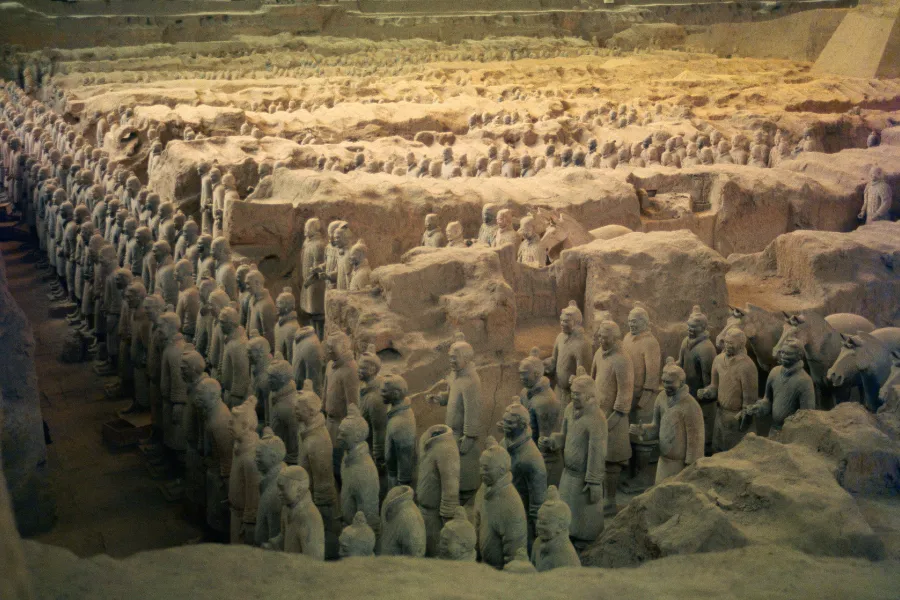
- Terracotta Warriors – Located near the Mausoleum of the First Qin Emperor, this archaeological site contains thousands of life-size clay soldiers, horses and chariots. The figures provide evidence of Qin military organization, craftsmanship and imperial funerary practices.
- Xi’an City Wall – The surviving wall is one of China’s most recognizable examples of traditional urban fortification. Its gates, defensive structures and elevated walking routes illustrate how the historic city was protected and organized.
- Giant Wild Goose Pagoda – Built during the Tang Dynasty, the pagoda is associated with the Buddhist monk Xuanzang and the preservation of scriptures brought from India. It provides an important connection between Xi’an’s religious history and wider Asian cultural exchange.
- Muslim Quarter – This historic commercial area reflects the long-standing presence of Hui Muslim communities in Xi’an. The nearby Great Mosque of Xi’an provides additional context for the city’s religious and architectural history.
- Shaanxi History Museum – Its collections cover major periods of regional history, including the Qin, Han and Tang dynasties. The exhibits help explain the political and cultural development of the Guanzhong region.
How Long Should You Stay in Xi’an?
Allow two to three days for the main attractions. The Terracotta Warriors require a separate excursion outside the central urban area, so transportation time should be included in the schedule.
Spring and autumn are generally comfortable for sightseeing. Summer temperatures can be high, particularly at outdoor archaeological sites.
Best for Ancient Chinese history, archaeology, Buddhist heritage, Silk Road history and regional food culture.
For a multi-region historical journey, see our 9-day Beijing, Xi’an and Zhangjiajie itinerary.
3. Shanghai – Understand China’s Modern Urban Development
Shanghai developed into a major commercial port during the 19th century. Its location near the mouth of the Yangtze River connected inland trading networks with international maritime commerce, supporting its growth as one of China’s most important economic centers.
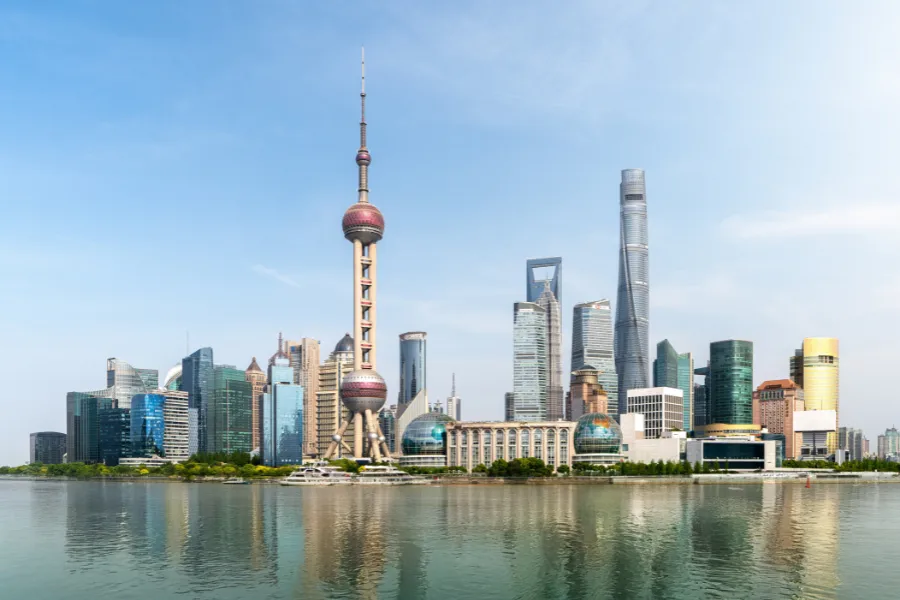
The city’s architecture records different stages of this development. Historic commercial buildings along the Huangpu River, traditional neighborhoods and modern skyscrapers in Pudong illustrate how Shanghai’s urban landscape has changed over time.
Top Attractions in Shanghai
- The Bund – This waterfront district contains historic financial and commercial buildings constructed during Shanghai’s period of rapid international development. The architecture provides a record of the city’s former role in global trade and banking.
- Yu Garden – Built during the Ming Dynasty, this classical garden uses ponds, rockeries, pavilions and enclosed courtyards to create a carefully arranged landscape within the city.
- Shanghai Tower – Located in the Lujiazui financial district, the tower represents the scale of contemporary development in Pudong. The surrounding skyline contrasts with the historic buildings across the Huangpu River.
- Former French Concession – This historic area contains tree-lined streets, older residential buildings and commercial neighborhoods. Its urban form reflects Shanghai’s international history and changing patterns of residential development.
- Nanjing Road – One of Shanghai’s major commercial streets, Nanjing Road illustrates the city’s long-standing relationship with retail trade and urban commerce.
How Long Should You Stay in Shanghai?
Allow two to three days for the main attractions. Additional time is useful for visitors interested in museums, architecture, traditional neighborhoods and nearby water towns.
Spring and autumn generally provide comfortable conditions for walking. Summer is humid, while winter is relatively cold and damp.
Best for Modern urban development, architecture, international trade history, museums and contemporary Chinese city life.
Shanghai can be combined with Suzhou and Hangzhou for a broader exploration of eastern China. Our 13-day Beijing, Suzhou, Hangzhou, Shanghai and Zhangjiajie itinerary provides one example of this regional combination.
4. Guilin and Yangshuo – Explore China’s Karst Landscapes
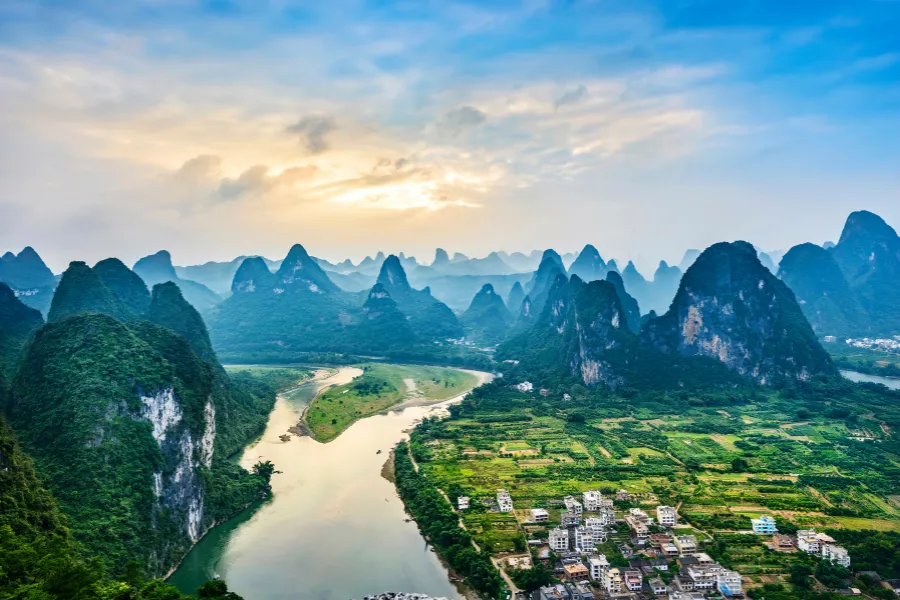
Guilin and Yangshuo, in Guangxi Zhuang Autonomous Region, are known for limestone peaks, winding rivers and rural landscapes. The area’s karst terrain developed through the long-term dissolution of limestone by water, creating distinctive hills, caves and river valleys.
These formations have influenced Chinese landscape painting and poetry, particularly the artistic tradition of representing mountains and water as interconnected elements. The region also provides practical examples of how settlements and agriculture developed around river valleys and steep terrain.
Guilin and Yangshuo serve different purposes in a regional itinerary. Guilin provides access to the wider landscape, while Yangshuo offers closer access to countryside roads, villages and the Yulong River.
Top Attractions in Guilin and Yangshuo
- Li River – The river connects Guilin and Yangshuo through a landscape of limestone peaks, farmland and rural settlements. A cruise provides a broad view of the region’s karst formations.
- Yangshuo Countryside – The area around Yangshuo contains village roads, rice fields and riverbanks. Cycling and walking provide access to landscapes beyond the main commercial streets.
- Yulong River – This smaller river near Yangshuo is known for its rural scenery and bamboo rafting experiences. It offers a more localized river experience than the longer Li River cruise.
- Longji Rice Terraces – Located in Longsheng County, these terraces show how farming communities adapted steep mountain slopes for rice cultivation. Their appearance changes throughout the agricultural year, particularly during irrigation and harvesting periods.
- Reed Flute Cave – This limestone cave contains stalactites, stalagmites and other formations created by mineral-rich water over long periods.
How Long Should You Stay in Guilin and Yangshuo?
Allow three to four days to explore Guilin, Yangshuo and the surrounding countryside. Add another day if Longji Rice Terraces are included.
Spring and autumn are generally suitable for outdoor activities, although rainfall can affect river conditions and boat trips. Visitors interested in the rice terraces should also consider the agricultural calendar.
Best for Karst geology, river cruises, countryside exploration, landscape photography and rural scenery.
Guilin can also be included in a longer journey combining historical cities and natural landscapes. See our 12-day Beijing, Xi’an, Zhangjiajie and Guilin itinerary.
5. Chengdu and Sichuan – Explore Panda Conservation and Regional Culture
Chengdu, the capital of Sichuan Province, is an important center of southwestern Chinese culture. Its tea houses, traditional food culture and connection to giant panda conservation make it a useful starting point for exploring the region.
Sichuan’s geographical diversity extends well beyond the city. The Chengdu Plain supports intensive agriculture, while the province’s western mountain areas contain high-altitude landscapes, nature reserves and historic Buddhist sites.

Top Attractions in Chengdu and Sichuan
- Chengdu Research Base of Giant Panda Breeding – This conservation and research facility provides opportunities to learn about giant panda behavior, breeding and the work involved in protecting the species.
- Leshan Giant Buddha – Carved into a hillside during the Tang Dynasty, this 71-meter stone sculpture overlooks the confluence of three rivers. Its scale and location reflect the importance of Buddhist religious practices in the region.
- Mount Emei – One of China’s important Buddhist mountains, Mount Emei contains temples, monasteries and mountain ecosystems across different elevations.
- Jiuzhaigou Valley – This protected area is known for its lakes, waterfalls, forests and mountain scenery. It is geographically separate from central Chengdu and requires a dedicated travel arrangement.
- Wuhou Shrine – Located in Chengdu, this historical complex is associated with Zhuge Liang and the Three Kingdoms period. Its buildings and commemorative spaces provide context for an important period in Chinese political history.
Sichuan cuisine is another important part of the regional experience. Chili peppers and Sichuan peppercorns contribute different qualities to many local dishes, while the wider cuisine includes a range of cooking techniques and regional variations.
How Long Should You Stay in Chengdu and Sichuan?
Allow three to four days for Chengdu and nearby attractions. Leshan and Mount Emei can be considered as regional extensions from Chengdu, while Jiuzhaigou requires a separate travel plan and additional time.
Spring and autumn generally offer comfortable conditions for city sightseeing. Mountain destinations have different weather and elevation conditions, so local forecasts and transportation arrangements should be checked separately.
Best for Giant panda conservation, Sichuan cuisine, Buddhist heritage, regional culture and nature exploration.
Travelers interested in combining Sichuan with other major destinations can review our Chengdu and Sichuan tour options.
6. Zhangjiajie – See China’s Sandstone Pillar Landscapes
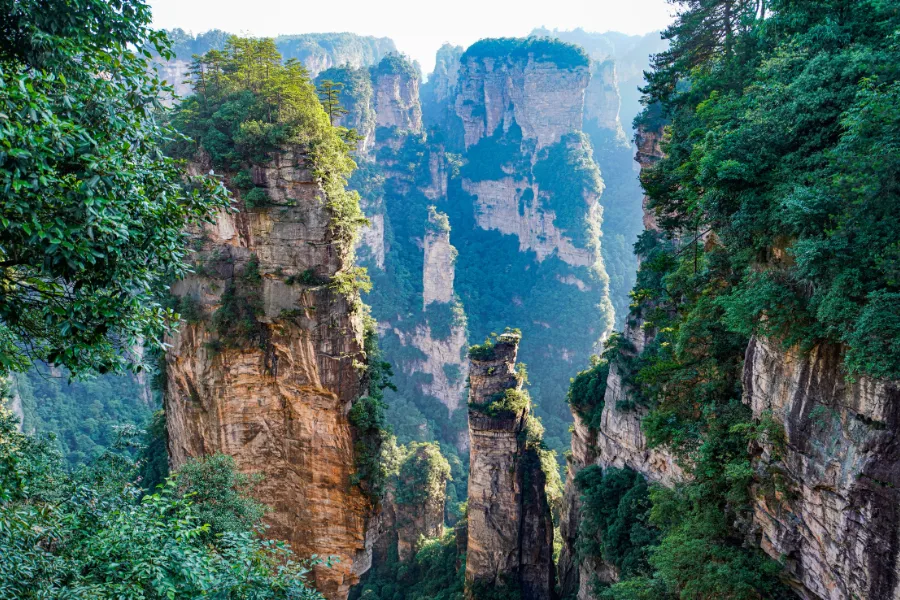
Zhangjiajie, in Hunan Province, is known for the tall sandstone formations found in the Wulingyuan Scenic and Historic Interest Area. Long-term erosion and weathering have shaped its narrow pillars, forested valleys and steep cliffs.
The area’s sandstone formations differ from the limestone karst landscapes around Guilin. Zhangjiajie is characterized by vertical rock pillars and deep ravines rather than rounded limestone peaks and river valleys.
Top Attractions in Zhangjiajie
- Zhangjiajie National Forest Park – This protected area contains many of the region’s best-known sandstone pillars and forested mountain landscapes. Established walking routes and viewpoints provide access to different sections of the park.
- Yuanjiajie – Located within Wulingyuan, this scenic area is known for its elevated viewpoints and closely grouped sandstone formations.
- Tianzi Mountain – The mountain area provides views across numerous peaks and valleys. Cloud cover and weather conditions can significantly affect visibility.
- Golden Whip Stream – This walking route follows a stream through a valley surrounded by sandstone cliffs and forest.
- Tianmen Mountain – Known for its mountain road, cableway and natural rock opening, Tianmen Mountain is a separate attraction closer to Zhangjiajie city rather than part of Zhangjiajie National Forest Park.
How Long Should You Stay in Zhangjiajie?
Allow three to four days to explore the main scenic areas. Zhangjiajie National Forest Park and Tianmen Mountain require separate sightseeing arrangements, so visitors planning both should allow enough time for transfers.
Spring and autumn are generally suitable for outdoor sightseeing. Rain, fog and changing visibility can affect mountain views throughout the year.
Best for Mountain landscapes, photography, hiking, outdoor activities and distinctive geological formations.
Visitors can explore local attractions and practical arrangements through our Zhangjiajie destination guide.
7. Yunnan – Explore Diverse Regional Cultures and Landscapes
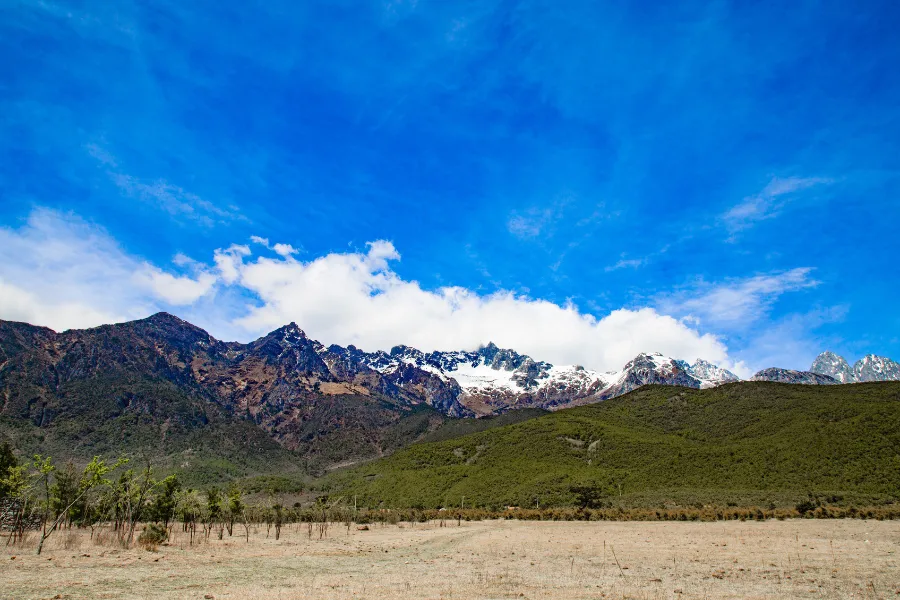
Yunnan Province, in southwestern China, borders Myanmar, Laos and Vietnam. Its mountain ranges, river valleys and substantial elevation differences create varied climates and natural environments.
The province is home to numerous ethnic communities, including the Bai, Naxi, Yi and Dai. Their languages, architectural traditions, religious practices and festivals differ across regions, making Yunnan more accurately understood as a collection of distinct cultural areas than as one uniform destination.
Top Attractions in Yunnan
- Lijiang Old Town – A historic settlement associated with Naxi culture, Lijiang developed as a commercial center connecting Yunnan with Sichuan and Tibet. Its traditional buildings, waterways and street layout reflect this history.
- Dali Ancient Town – Dali is associated with Bai cultural traditions and the history of the former Kingdom of Dali. Its traditional residential architecture and proximity to the Cangshan mountain range provide context for local settlement patterns.
- Erhai Lake – Located near Dali, the lake is surrounded by villages, farmland and the Cangshan mountains. Selected lakeside sections can be explored by bicycle or local transportation.
- Shangri-La – This highland destination in northwestern Yunnan has strong Tibetan cultural influences. Songzanlin Monastery is one of its principal religious landmarks.
- Tiger Leaping Gorge – Located along the upper Yangtze River, the gorge is known for its steep mountain slopes and hiking routes. Trail conditions, weather and physical fitness should be considered before visiting.
How Long Should You Stay in Yunnan?
Allow at least five to seven days to explore two or three major destinations. A journey covering Dali, Lijiang and Shangri-La requires additional time because of the distances, road transfers and elevation changes.
Climate conditions vary considerably across the province. Travelers moving from lower-elevation areas to Shangri-La should account for the higher altitude and allow time to adjust.
Best for Regional and ethnic cultures, historic towns, mountain landscapes, photography and extended regional travel.
Explore our Yunnan destination and tour guide for more information about the province’s different travel areas.
8. Huangshan – Explore Mountain Scenery and Huizhou Heritage
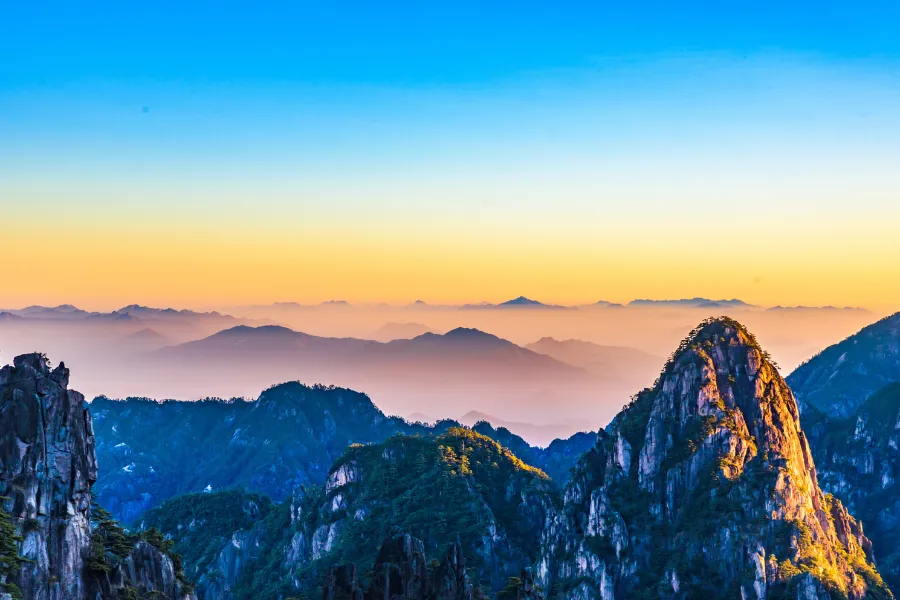
Huangshan, also known as Yellow Mountain, is located in southern Anhui Province. Its granite peaks, distinctive pine trees, rock formations and changing cloud conditions have influenced Chinese painting and literature for centuries.
The mountain is particularly important in traditional Chinese landscape art. Artists have repeatedly used its peaks, mist and pine formations as subjects, making Huangshan an important reference point in the development of Chinese mountain imagery.
The surrounding region also preserves historic villages associated with Huizhou culture, including traditional residential architecture and water-management systems.
Top Attractions in Huangshan
- Mount Huangshan – The mountain is known for its granite peaks, ancient pine trees, steep cliffs and sea of clouds. Cable cars and established walking routes provide different ways to explore the scenic area.
- Hongcun Ancient Village – This village is known for its white walls, dark roof tiles, courtyards and traditional water system. Its layout demonstrates how residential architecture was adapted to local terrain and water management.
- Xidi Ancient Village – Xidi preserves traditional Huizhou residential architecture, including decorative carvings, courtyards and historic streets.
- Tunxi Ancient Street – This historic commercial street contains traditional-style buildings and shops associated with local crafts and regional products.
Mount Huangshan and the Ancient Villages in Southern Anhui, including Xidi and Hongcun, are separate UNESCO World Heritage properties. Their heritage values relate to different aspects of the region’s natural landscape, art and traditional settlement patterns.
How Long Should You Stay in Huangshan?
Allow two to three days for Mount Huangshan and nearby historic villages. Visitors planning longer mountain walks or additional cultural visits may need more time.
Spring and autumn are generally popular for mountain sightseeing. Winter offers different scenery, but low temperatures, snow and icy paths can affect trail conditions and accessibility.
Best for Mountain landscapes, hiking, traditional architecture, photography and Chinese landscape art.
Travelers interested in both mountain scenery and Huizhou architecture can explore our Huangshan and Anhui destination guide.
9. Hangzhou and Suzhou – Discover Jiangnan Gardens and Cultural Landscapes
Hangzhou and Suzhou are two important cities in the Yangtze River Delta, a region historically associated with waterways, agriculture, silk production, classical gardens and commercial development.
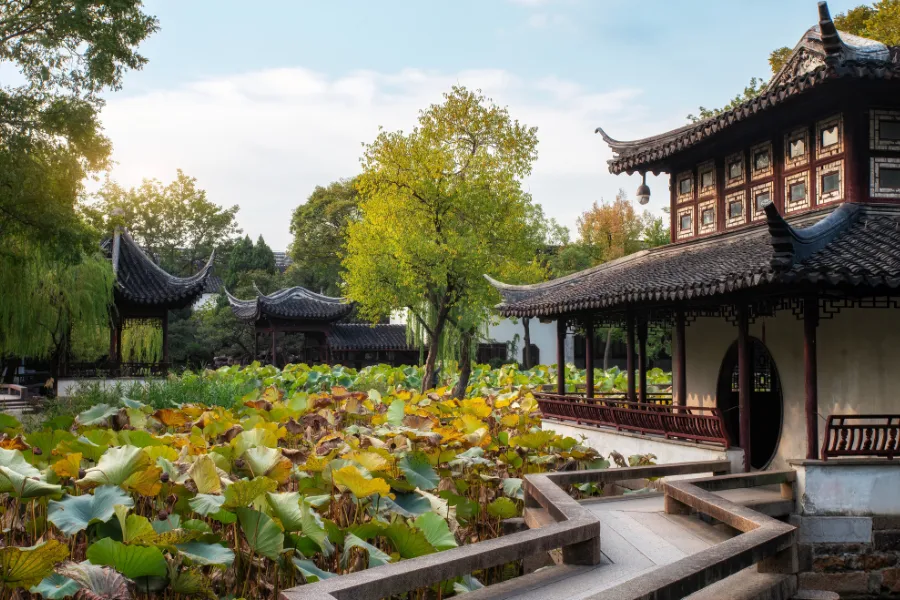
Although both cities share Jiangnan cultural traditions, their main attractions represent different aspects of the region’s heritage. Hangzhou is particularly associated with West Lake and Longjing tea, while Suzhou is recognized for its classical gardens and historic canal neighborhoods.
Top Attractions in Hangzhou
- West Lake – The lake, surrounding hills, temples, pagodas, causeways and islands form a cultural landscape that has influenced Chinese poetry, painting and garden design. Its layout demonstrates how natural and constructed features were combined into a unified landscape.
- Lingyin Temple – One of Hangzhou’s important Buddhist temples, Lingyin Temple is surrounded by wooded hills and is associated with the development of Buddhist religious culture in the region.
- Longjing Tea Plantations – The tea-growing areas around West Lake are associated with West Lake Longjing, one of China’s best-known green teas. Visitors can learn about tea cultivation, harvesting and processing.
- Grand Canal – Hangzhou is the southern terminus of the historic Grand Canal, which connected major economic and administrative centers across eastern China.
Top Attractions in Suzhou
- Humble Administrator’s Garden – One of Suzhou’s best-known classical gardens, it uses ponds, bridges, pavilions and planting to create a carefully arranged representation of natural landscapes.
- Lingering Garden – Its rockeries, courtyards and architectural details demonstrate how garden designers created different visual experiences within a limited space.
- Pingjiang Road – This historic street follows a traditional canal and contains old residential buildings, bridges and commercial spaces.
- Shantang Street – This canal-side district provides another perspective on Suzhou’s relationship with water transportation and traditional commerce.
The Classical Gardens of Suzhou use elements such as water, rocks, plants and architecture to recreate natural landscapes within residential spaces. This approach differs from West Lake, where a much larger landscape of hills, water and historic structures forms the central cultural setting.
How Long Should You Stay in Hangzhou and Suzhou?
Allow one to two days in each city to explore the main attractions. Additional time is useful for visitors interested in gardens, tea culture, museums and historic neighborhoods.
Spring and autumn are generally comfortable for outdoor sightseeing. Spring is also associated with tea harvesting around Hangzhou, although the exact period varies with weather and growing conditions.
Best for Classical gardens, traditional architecture, tea culture, historic canals and Jiangnan heritage.
For a longer eastern China journey, see our 13-day Beijing, Suzhou, Hangzhou, Shanghai and Zhangjiajie itinerary.
10. Chongqing – Understand China’s Mountain City and River Culture
Chongqing is a major municipality in southwestern China, located near the confluence of the Yangtze and Jialing rivers. Its steep terrain has shaped the city’s roads, bridges, transportation systems and hillside neighborhoods.
Unlike cities developed across broad plains, central Chongqing has limited flat land. Buildings and transportation routes often follow slopes and river valleys, creating a vertical urban layout that differs from many other major Chinese cities.
The two rivers also supported Chongqing’s development as an inland commercial and transportation center, connecting southwestern China with wider regional trade networks.

Top Attractions in Chongqing
- Hongya Cave – This multi-level commercial complex is built along a hillside near the Jialing River. Its layered buildings and pedestrian routes reflect the city’s vertical urban layout.
- Liziba Monorail Station – The station is known for the rail line that passes through a residential building. It illustrates how transportation infrastructure has adapted to Chongqing’s restricted flat land.
- Dazu Rock Carvings – Located in Dazu District, these stone sculptures combine Buddhist, Taoist and Confucian imagery. Dating mainly from the late Tang through the Song dynasties, they provide evidence of religious practices and artistic development in southwestern China.
- Wulong Karst – This natural area is known for its large sinkholes, natural bridges, caves and limestone formations. It requires a separate excursion from central Chongqing.
- Ciqikou Ancient Town – This historic settlement contains traditional commercial streets, local architecture and evidence of the region’s trading heritage.
How Long Should You Stay in Chongqing?
Allow two to three days for the main urban attractions. Add another day or two if you plan to visit Dazu or Wulong, as these destinations require additional transportation.
Spring and autumn generally provide comfortable conditions for walking around the city. Chongqing’s summer heat and humidity can make outdoor sightseeing more demanding.
Best for Mountain-city architecture, river landscapes, regional food, historic sites and urban development.
Chongqing can be included in a wider southwestern China journey. Our 12-day Beijing, Shanghai, Chengdu, Chongqing and Zhangjiajie itinerary provides one example of a multi-city route.
How to Choose the Best Places to Visit in China
The most suitable destinations depend on whether you are interested in historical sites, natural landscapes, regional cultures or modern cities. The following comparison summarizes the main travel characteristics of the 10 destinations.
| Travel Interest | Recommended Destinations |
|---|---|
| Imperial and Ancient History | Beijing, Xi’an |
| Modern Urban Development | Shanghai, Chongqing |
| Traditional Architecture | Beijing, Suzhou, Huangshan |
| Natural Landscapes | Guilin, Zhangjiajie, Yunnan, Huangshan |
| Regional and Ethnic Cultures | Yunnan, Chengdu and Sichuan |
| Buddhist Heritage | Xi’an, Chengdu and Sichuan, Chongqing |
| Gardens and Tea Culture | Hangzhou, Suzhou |
| Food Experiences | Chengdu, Xi’an, Chongqing |
Beijing and Xi’an provide a strong introduction to imperial and archaeological history. Travelers interested in natural landscapes can compare the karst formations of Guilin, the sandstone pillars of Zhangjiajie and the granite peaks of Huangshan.
Yunnan and Sichuan are better suited to travelers with additional time because their major attractions are spread across large geographical areas.
How to Combine China’s Best Travel Destinations
Grouping destinations by region can reduce unnecessary transfers and leave more time for sightseeing. The following combinations provide practical starting points for itinerary planning.
Northern China – Beijing and Xi’an
Beijing and Xi’an form a major historical route. Beijing introduces imperial architecture and the political traditions of the Ming and Qing dynasties, while Xi’an provides access to the Qin, Han and Tang periods.
The two cities are connected by high-speed rail. Travelers can also extend the route to Zhangjiajie through a longer multi-region journey.
See our 9-day Beijing, Xi’an and Zhangjiajie itinerary for one example.
Yangtze River Delta – Shanghai, Suzhou and Hangzhou
This combination brings together modern urban development, classical gardens, lake landscapes and historic neighborhoods.
Shanghai can serve as an arrival or departure point, while Suzhou and Hangzhou are suitable for shorter cultural visits. The cities are connected by frequent rail services, making them practical to combine within one regional journey.
Our 13-day eastern China and Zhangjiajie route includes all three cities.
Southwestern China – Chengdu and Chongqing
Chengdu and Chongqing provide a useful introduction to southwestern Chinese food culture, regional history and mountain-city development. Their proximity makes them a practical combination compared with journeys involving more distant regions.
Leshan and Mount Emei can be added from Chengdu, while Wulong and Dazu require separate excursions from Chongqing.
For a wider route, see our 12-day Chengdu, Chongqing and China highlights itinerary.
Southern China – Guilin and Yangshuo
Guilin and Yangshuo are best explored as one regional journey. A typical visit can combine the Li River, Yangshuo countryside and selected nearby villages.
Longji Rice Terraces can be added as a separate excursion, depending on available time and the agricultural season.
How Many Days Do You Need to Visit China?
The number of days required depends on the distance between destinations, transportation connections and the amount of time allocated to individual attractions.
Rather than attempting to cover every major destination, travelers can focus on two or three connected regions.
| Trip Length | Suggested Destination Combination |
|---|---|
| 5–7 days | Beijing and Xi’an, or Shanghai, Suzhou and Hangzhou |
| 8–10 days | Beijing, Xi’an and Zhangjiajie |
| 12–15 days | Beijing, Xi’an, Shanghai and one additional regional destination |
| 15–20 days | A combination of northern, eastern and southwestern China |
These are planning examples rather than fixed itineraries. Actual travel time depends on train and flight schedules, arrival times, attraction locations and the pace of the trip.
High-speed trains are practical for many journeys between major cities, particularly in eastern and central China. Flights may be more suitable for longer distances, such as travel between eastern China and Yunnan.
Some mountain and rural destinations require additional road transfers from the nearest major railway station or airport. Allow sufficient time for connections, particularly when changing stations or traveling between airports and scenic areas.
Planning a Trip Around China’s Best Destinations
China’s major destinations differ in their historical background, geographical conditions and regional cultures. Beijing and Xi’an provide access to imperial and archaeological heritage, while Shanghai, Hangzhou and Suzhou illustrate different stages of urban and garden development. Guilin, Zhangjiajie, Huangshan and Yunnan offer distinct natural environments, and Chengdu and Chongqing provide insight into southwestern Chinese culture.
A practical itinerary depends on more than the number of attractions included. Geographic distance, seasonal conditions, transportation connections and the time needed at each destination all influence how comfortably a journey can be arranged.
TX China Tours plans journeys around these regional differences, combining destination selection with transportation arrangements and local travel considerations. Understanding how destinations connect helps visitors allocate their time more effectively and choose a route that matches their interests.
FAQs
What Are the Best Places to Visit in China for First-Time Travelers?
Beijing, Xi’an and Shanghai provide a useful introduction to China’s imperial history, archaeological heritage and modern urban development. Travelers with additional time can add Guilin for natural scenery or Chengdu for regional culture and giant panda conservation. The best combination depends on available time and travel interests.
What Are the Most Beautiful Places to Visit in China?
Guilin and Yangshuo are known for limestone mountains and river landscapes, while Zhangjiajie features tall sandstone pillars and deep valleys. Huangshan is recognized for its granite peaks and pine trees, and Yunnan offers varied mountain and highland environments across different regions.
What Is the Best Month to Visit China?
April, May, September and October are generally convenient months for visiting several major regions. However, seasonal conditions vary by destination. Southern China can experience substantial rainfall in warmer months, while high-altitude areas may remain cold even when temperatures are mild elsewhere.
How Many Days Are Enough for a China Trip?
A trip of 10 to 14 days provides time to explore several major destinations without spending the entire journey in transit. Shorter trips can focus on one region, while journeys covering Yunnan, western Sichuan or multiple mountain destinations generally require additional time.
Is It Easy to Travel Around China Without Speaking Chinese?
Traveling without speaking Chinese is possible, particularly in major cities and established tourist destinations. However, English availability varies between regions. Saving hotel addresses and attraction names in Chinese, preparing translation applications and arranging transportation in advance can make communication easier.
What Is the Best Way to Travel Between Cities in China?
High-speed trains are practical for many intercity journeys, especially in eastern and central China. Flights may be more suitable for longer distances, such as travel between Shanghai and Yunnan. Some regional attractions also require road transfers from the nearest major railway station or airport.

The company providing services to you
TX China Tours is the inbound travel brand of Hunan Tuxiang Tianxia International Travel Co., Ltd, serving international visitors to China. Your booking and travel contract are with this company, which is also responsible for arranging your tour services.